I have lived in Ronda long enough to know that most visitors arrive for one reason: the bridge.
They see photographs of the Puente Nuevo soaring above the El Tajo Gorge and imagine they have already seen the city. Then they arrive and quickly discover that Ronda is much more than a dramatic viewpoint.
This is a place where Roman ruins sit alongside Moorish monuments, where centuries-old winemaking traditions are being revived, and where the legends of mountain bandits still echo through the surrounding hills. Just beyond the city lies the Serranía de Ronda, one of Andalusia’s most beautiful and least understood regions, filled with white villages, ancient pathways and some of the finest local produce in southern Spain.
Whenever friends or readers ask me where they should begin exploring inland Málaga province, I always tell them the same thing: start in Ronda, but don’t stop there.
First Impressions: Standing Above El Tajo
Whenever I introduce visitors to Ronda, I take them straight to the edge of the gorge.

The bridge itself took more than forty years to build. Construction began in the eighteenth century after an earlier bridge collapsed, and the resulting structure became one of Spain’s greatest engineering achievements.
Most visitors stand on the bridge, take a few photographs and move on. I always recommend walking down to one of the viewpoints below. From there you gain a completely different perspective and begin to understand why travellers, artists and writers have been fascinated by Ronda for centuries.
Discovering the Arab Baths
One of my favourite places in Ronda is the Arab Baths.
Many people come to Ronda without realising that some of the best-preserved Islamic baths in Andalusia are located here.
Their survival is largely due to chance. For centuries they remained hidden beneath private land and escaped the destruction that affected many similar sites elsewhere.

The baths operated very differently from Roman baths. Rather than immersing visitors in pools of water, they relied on steam and carefully controlled temperatures.
The complex contained three rooms: cold, warm and hot. The warm room served as a place for relaxation, conversation and massage.
Outside, a donkey-powered waterwheel once raised water from the river, demonstrating the remarkable engineering skills of medieval Andalusia.
The Forgotten Roman City of Acinipo
Whenever visitors tell me they have an extra half-day available, I point them towards Acinipo.

Often referred to as “Old Ronda”, this Roman settlement sits high above the surrounding countryside and remains one of the most impressive archaeological sites in the province.
Its theatre still overlooks the valley as it did nearly two thousand years ago.
Standing there, surrounded by silence and open landscapes, it is easy to imagine Roman life unfolding before you.
Surprisingly few visitors make the journey, which makes the experience even more rewarding.
Why Writers Fell in Love with Ronda
Ronda has always attracted dreamers.
The German poet Rainer Maria Rilke arrived here while searching for a city that felt untouched by convention. He found inspiration in the dramatic landscape and described Ronda as a place that seemed almost dreamlike.
Later, Ernest Hemingway became captivated by the city, particularly its traditions and atmosphere. Filmmaker Orson Welles also developed a lifelong connection with the area.
When you stand above the gorge at sunset or watch morning mist rising from the valley, it becomes easy to understand why so many artists found inspiration here.
Following the Trail of the Bandoleros
The mountains surrounding Ronda were once home to some of Spain’s most famous bandits.
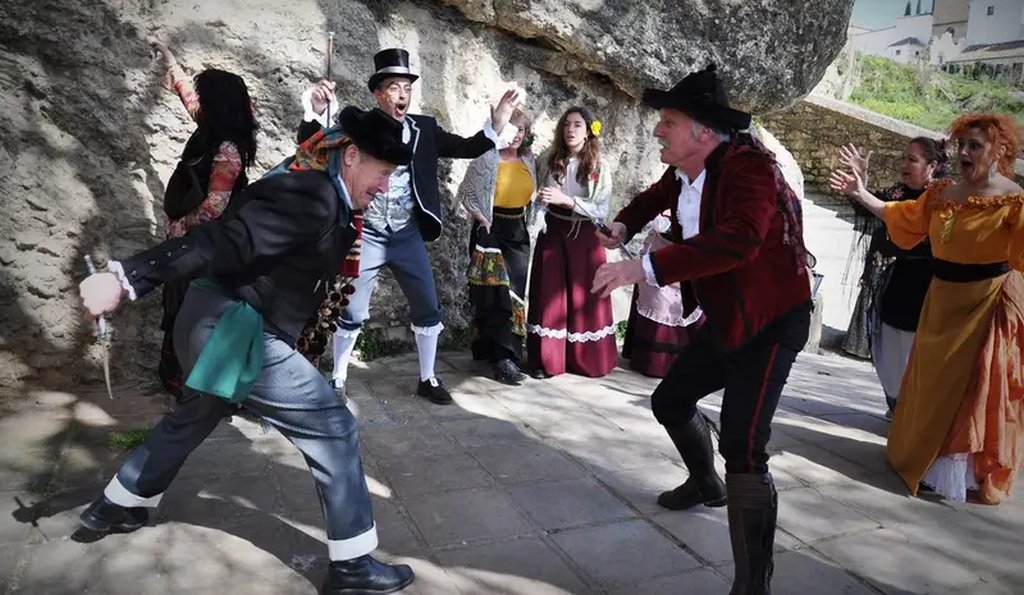
History paints a complicated picture. Some were undoubtedly criminals, while others became folk heroes who challenged authority and protected local communities.
The rugged terrain provided the perfect refuge. Hidden valleys, narrow mountain passes and dense forests allowed them to disappear almost at will.
Today their stories remain part of local identity, and many walking routes and viewpoints still carry names associated with legendary bandits.
The Landscape Beyond the City
Many visitors spend a few hours in Ronda and leave. In my opinion, that is their biggest mistake as the Serranía de Ronda and the Sierra de Grazalema deserve some time as well.

This landscape of limestone mountains, cork oak forests and rolling valleys is one of Andalusia’s great natural treasures.
Griffon vultures circle overhead. Wild mountain goats navigate seemingly impossible cliffs. Ancient farming traditions continue much as they have for generations.
The scenery changes with every season.

Spring brings wildflowers and green hillsides. Summer reveals golden landscapes stretching towards the horizon. Autumn paints the forests in warm colours, while winter often brings dramatic skies and crystal-clear views.
The Revival of Ronda Wine
Many people are surprised to discover that Ronda has become one of Spain’s most exciting wine regions. The combination of altitude, warm days and cool nights creates ideal conditions for quality vineyards.

Over the last few years the wineries (“bodegas” in Spanish) of Ronda have greatly increased their production and are going through what can only be described as a “boom time”. There are over 20 excellent vineyards producing Red, Rosé and white wines with the denomination of origin “Wines of Malaga” (Malaga being the province that Ronda belongs to.)
The Flavours of the Serranía
Food tells the story of a place better than almost anything else.
The cuisine of the Serranía reflects centuries of cultural influences. Many ingredients now considered essential to Spanish cooking arrived during the Islamic period, including spices, almonds and techniques that continue to shape local gastronomy.

The stars of the local table include:
- Payoyo cheese
- Quince
- Mountain honey
- Olive oil
- Artisan breads
- Local wines
- Seasonal game
Together they create a cuisine that is deeply rooted in the landscape.
Payoyo Cheese: The Taste of the Mountains
If there is one ingredient I always encourage visitors to try, it is Payoyo cheese.
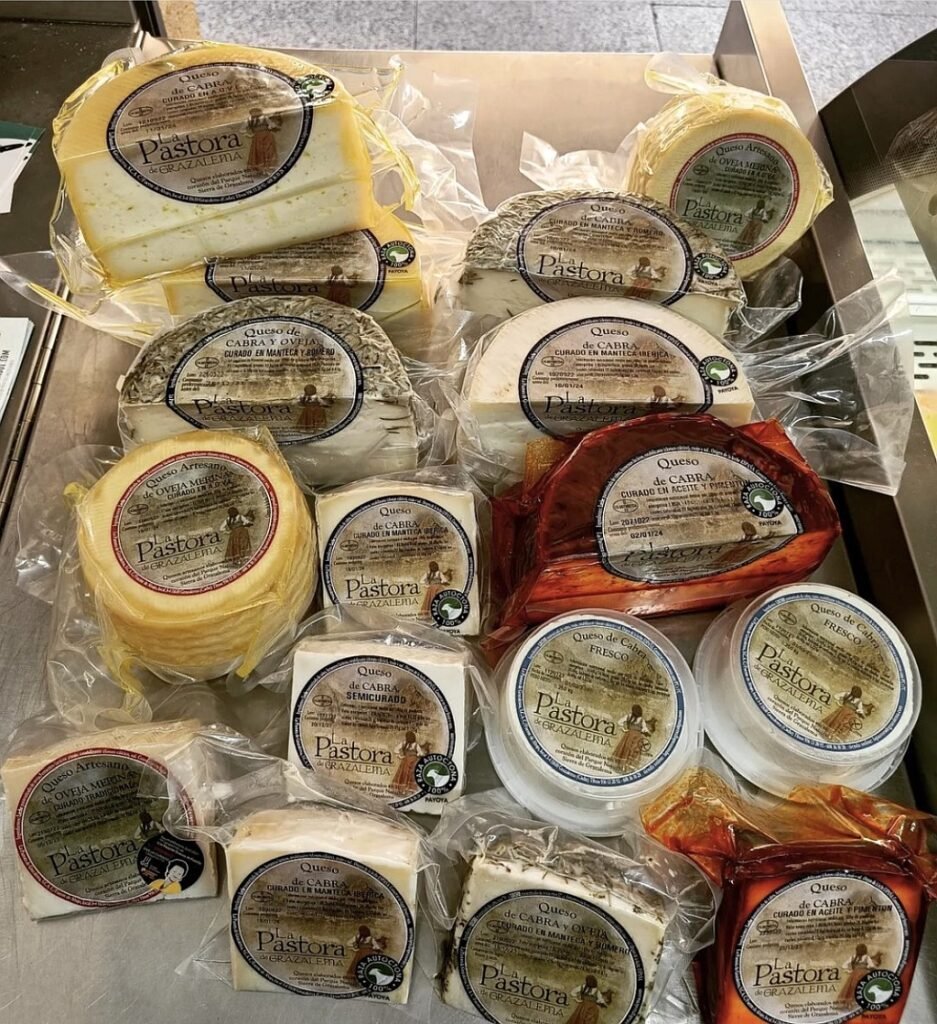
Made from the milk of native Payoya goats, this cheese has become one of Andalusia’s most celebrated products.
Young cheeses are creamy and mild, while mature versions develop complex nutty flavours.
My favourite way to enjoy it remains the simplest: served with local bread, a little honey and a slice of membrillo (Quince jelly.).
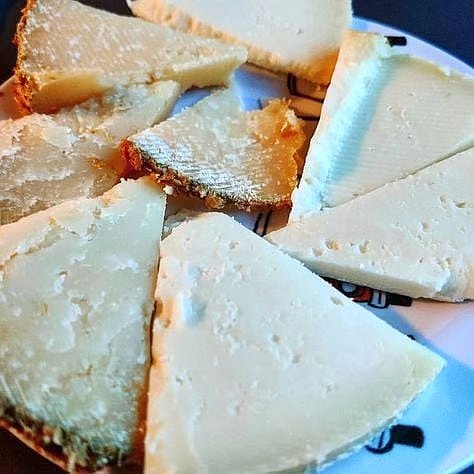
Traditional Serranía Cheese Board
Ingredients
- Payoyo cheese
- Pan cateto
- Membrillo (Quince Jelly)
- Local honey
- Extra virgin olive oil
Method
- Slice the cheese into wedges.
- Serve alongside thick slices of rustic bread.
- Add membrillo and honey.
- Finish with a drizzle of olive oil.
Simple ingredients. Extraordinary flavours.
Rabbit with Quince and Payoyo Cheese
One dish perfectly captures the spirit of the Serranía.
Rabbit has long been part of local mountain cuisine, while quince and cheese reflect the agricultural traditions of the region.
Ingredients
- Rabbit loin
- Quince jelly
- Payoyo cheese
- Apple
- Red wine
- Pine nuts
- Olive oil
Method
- Reduce red wine until thick and glossy.
- Blend the cheese into a smooth cream.
- Wrap thin slices of quince around the cheese filling.
- Pan-sear the rabbit until golden.
- Finish with pine nut oil and the wine reduction.
The combination of sweet, savoury and earthy flavours is unmistakably Ronda.
Setenil de las Bodegas: The Village Beneath the Rock
Whenever friends visit me in Ronda, I always recommend a trip to Setenil de las Bodegas. Located less than twenty minutes away, it is unlike anywhere else in Spain.

The Street of the Sun and the Street of the Shadows

The most famous streets in Setenil are Cuevas del Sol and Cuevas de la Sombra.
The Street of the Sun enjoys natural light throughout the day and is lined with cafés and terraces.
The Street of the Shadows offers a completely different atmosphere. Here, a vast rock canopy forms a natural roof over the street.
Even during the hottest summer days the temperature remains remarkably cool and for centuries local traders used these natural conditions to preserve bread, cheese and cured meats before modern refrigeration existed.
Why I Never Tire of Ronda
People often ask whether living in Ronda means you eventually stop noticing its beauty.
The answer is no.
Every time I think I’ve seen everything Ronda and the Serranía has to offer, I discover another hidden viewpoint, another family-run producer, or another story buried in the mountains. That’s the real magic of this corner of Andalusia. It rewards curiosity, and no matter how many times you visit, there’s always something new waiting around the next bend in the road.
Continue Exploring

I’ve been living in this lovely area of Western Andalucia for the last 20 years or so and dedicate most of my time to the running of English language tourist information websites for the towns of Cádiz, Ronda, Grazalema, the famous or infamous Caminito del Rey, and also Wildside Holidays, which promotes sustainable and eco-friendly businesses running wildlife and walking holidays in Spain. My articles contain affiliate links that will help you reserve a hotel, bus, train or activity in the area. You don’t pay more, but by using them you do support this website. Thankyou!