Sierra de las Nieves National Park from Ronda: A Perfect Day Trip by Car
The Sierra de las Nieves National Park from Ronda is one of the easiest and most rewarding natural escapes for visitors staying in the area. Because Ronda sits right on its doorstep, the park becomes an ideal day trip if you have a car. Moreover, the drive alone feels like part of the experience, with winding mountain roads, white villages, and ever-changing views unfolding within minutes of leaving town.
For anyone visiting Ronda, this landscape offers a striking contrast to the historic streets and famous bridge. However, within a short drive you can find yourself surrounded by ancient pinsapo forests, dramatic limestone peaks, and quiet mountain villages that feel untouched by time. It is this proximity that makes the Sierra de las Nieves National Park from Ronda so special.
The first time I hiked to the summit of La Torrecilla, the highest peak in Sierra de las Nieves National Park, I thought I was prepared.
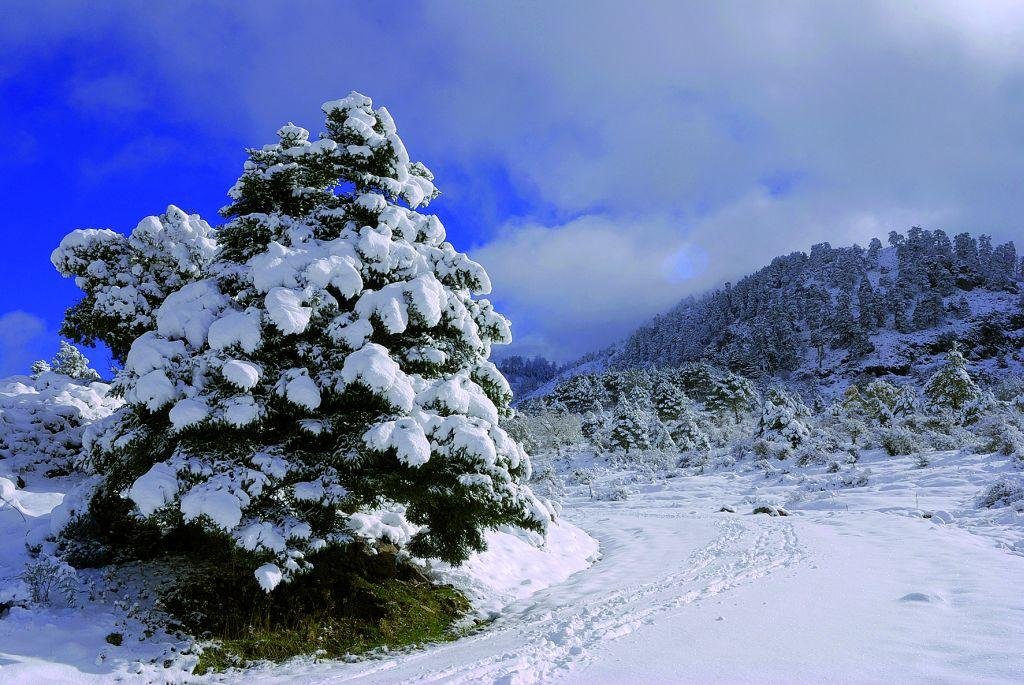
It was January 1999, and I was well dressed for winter conditions. Even so, nothing prepared me for what awaited near the summit. Snow covered the ground, temperatures dropped sharply as we climbed, and a fierce wind cut through every layer of clothing I was wearing. By the time I reached the top, my teeth felt frozen and every exposed inch of skin was numb.
Yet standing there at almost 2000 metres above sea level, looking across Andalucía’s mountains beneath a brilliant winter sky, I understood why so many people fall in love with this extraordinary landscape.
That hike introduced me to the true character of Sierra de las Nieves. It is a land of contrasts. One day you can be enjoying coffee in a sun-drenched village square beneath orange trees. The next, you can find yourself crossing snow-covered slopes that feel more Alpine than Mediterranean.
Living nearby, I return to these mountains regularly. Whether I’m exploring a new trail, visiting one of the white villages, or simply enjoying lunch in a family-run restaurant, every visit reveals something different.
Sierra de las Nieves at a Glance
- National Park status awarded in 2021
- UNESCO Biosphere Reserve expanded in 2026
- More than 98,000 hectares protected
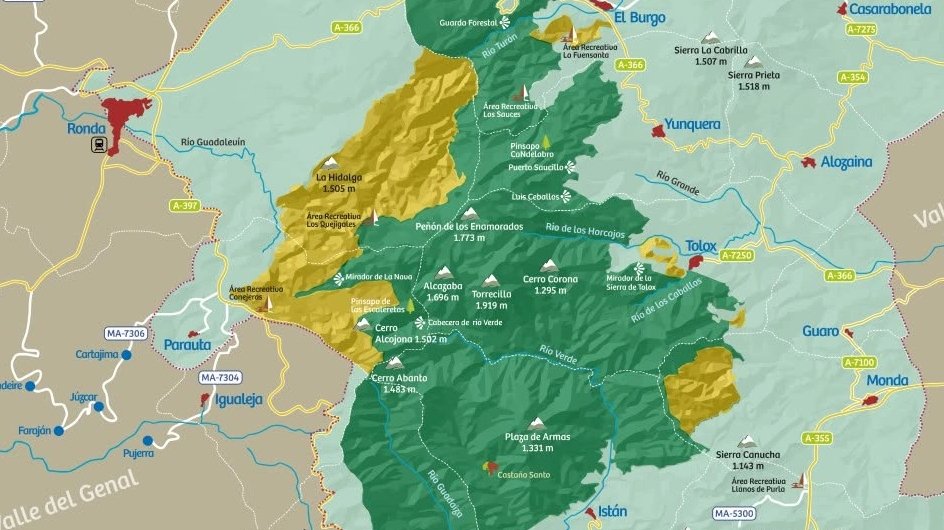
- Highest peak: La Torrecilla (1,919m)
- Fourteen municipalities within the Biosphere Reserve
- Around 66,000 residents living within the wider protected territory
- See more information at Wildside Holidays – Spain
Things to do From Get Your Guide
Mountain biking, hiking, swimming and off road adventures are available all year round in the Sierra de Las Nieves National Park.
Spain’s Newest National Park
Sierra de las Nieves officially became Spain’s sixteenth National Park in 2021. The designation recognised the area’s exceptional biodiversity and unique ecosystems, particularly its ancient pinsapo forests.
Located in the mountainous heart of Málaga Province, the park stretches from low valleys to the summit of La Torrecilla. Within this range lies an astonishing diversity of habitats, wildlife, and landscapes.
International Recognition Continues to Grow
In June 2026, UNESCO approved the expansion of the Sierra de las Nieves Biosphere Reserve by almost 5,000 hectares.
The expansion added 4,878 hectares, mainly in Benahavís and Igualeja, bringing the protected area to more than 98,000 hectares. The decision strengthens Sierra de las Nieves as one of southern Europe’s most important examples of sustainable conservation.
Unlike many protected areas, this is a landscape where conservation and community work together. Around 66,000 people live within the reserve, helping to create a model where tourism, agriculture, environmental protection, and local business can thrive side by side.
The Magic of the Pinsapo Forests
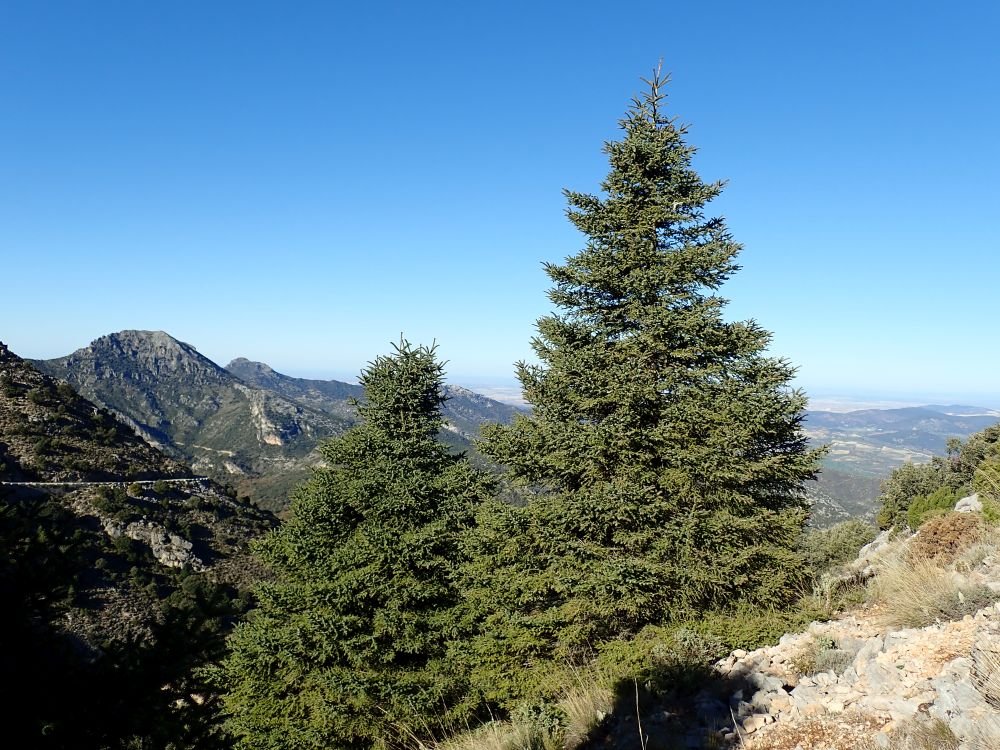
The iconic symbol of Sierra de las Nieves is the pinsapo, or Spanish fir.
Walking through these forests is unlike anything else in Andalucía. The cool air, dense canopy, and silence create a landscape that feels worlds away from the Mediterranean coast less than an hour away.
Wildlife, Mountains and Hidden Landscapes
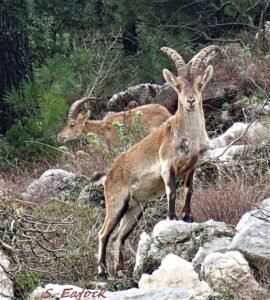
The park supports an extraordinary variety of wildlife, from mountain goats and golden eagles to salamanders and over 1,400 plant species.
Its limestone mountains hide deep sinkholes, dramatic ridges, and some of Andalucía’s most important cave systems. Beneath the surface lies an underground world of caverns and shafts that continues to attract explorers and scientists.
Local Food and Village Gastronomy
Exploring Sierra de las Nieves is as much about food as it is about scenery.
The villages preserve centuries of culinary tradition influenced by Moorish heritage, mountain farming, and Andalusian culture. Olive oil, almonds, honey, goat’s cheese, citrus fruits, and seasonal produce all feature heavily in local cuisine.

Many restaurants specialise in hearty mountain dishes, traditional stews, game meats, rustic soups, and homemade desserts. Some of the best meals are found not in famous establishments but in family-run restaurants tucked away in village streets.
Planning Your Visit
The excellent network of tourist offices across Sierra de las Nieves makes it easy to obtain maps, hiking information, accommodation recommendations, and details of local events.
Villages of Sierra de las Nieves
Yunquera
Yunquera is often considered the gateway to the pinsapo forests and one of the best bases for exploring the National Park. Surrounded by mountains and rich agricultural land, it offers easy access to several of the region’s most popular hiking routes.
Visitor Information
Tourist Information Office – Yunquera
- Address: Calle Castillo, s/n, 29410 Yunquera
- Telephone: +34 951 774 525
- Email: turismo@yunquera.es
- Opening Hours:
Monday to Friday: 08:00 – 15:00
Tolox
Famous for its spa heritage and natural springs, Tolox combines mountain scenery with a relaxed atmosphere. It is particularly popular among walkers and visitors seeking a slower pace of life.
Visitor Information
Tourist Office and Museum – Tolox
- Address: Calle Encina 62, 29109 Tolox
- Telephone: +34 952 487 333
- Email: toloxturismo@sierranieves.com
- Opening Hours:
Summer: 11:00 – 14:00 and 17:00 – 20:00
Winter: 11:00 – 14:00 and 16:00 – 19:00
El Burgo
Surrounded by rivers, forests, and mountain scenery, El Burgo offers one of the most authentic rural experiences within the Sierra de las Nieves region.
Visitor Information
Tourist Office – El Burgo
- Address: Calle Alcalde Eduardo Carbonell Cruz, s/n
- Telephone: +34 658 034 452
- Email: turismoelburgo@gmail.com
- Opening Hours:
Wednesday and Thursday: 09:00 – 15:00
Friday and Saturday: 10:00 – 14:00 / 16:00 – 18:00
Sunday: 09:00 – 13:00
Istán
Often called the gateway between the mountains and the Costa del Sol, Istán enjoys spectacular views over reservoirs and valleys.
Visitor Information
Tourist Office – Istán
- Address: C/ Marbella, 29611 Istán
- Telephone: +34 952 86 96 03
- Email: turismo@istan.es
- Opening Hours:
Wednesday to Saturday: 10:30 – 14:00 / 17:30 – 20:00
Sunday: 10:30 – 15:00
Monda
Known for its hilltop castle and excellent restaurants, Monda remains one of the most popular access points to the park from Marbella.
Visitor Information
Tourist Office – Monda
- Address: Valdescoba 1, 29110 Monda
- Telephone: +34 952 45 70 69
- Email: monda@monda.es
- Opening Hours:
Monday to Friday: 08:00 – 15:00
Benahavís
Benahavís is famous throughout Andalucía for its gastronomy and mountain scenery. It also forms part of the UNESCO Biosphere Reserve expansion approved in 2026.
Visitor Information
Tourist Office – Benahavís
- Address: Avenida de Andalucía, 34
- Telephone: +34 952 85 50 25
- Email: turismo@benahavis.es
- Opening Hours:
Monday to Friday: 08:30 – 14:00
(Other villages: Parauta, Igualeja, Ojén, Alozaina, Casarabonela, Guaro, Serrato and Ronda.)
For regional information, visitors can also contact:
Mancomunidad Sierra de las Nieves
- Plaza de Andalucía, 26, 29440 Igualeja
- Telephone: +34 952 45 61 53
- Email: mancomunidad@sierradelasnieves.es
- Opening Hours:
Monday to Friday: 08:00 – 15:00
Sierra de las Nieves National Park from Ronda: 6 Essential Visitor FAQs for Hiking, Villages & Day Trips
Yes, a visit to the Sierra de las Nieves National Park from Ronda is widely considered one of the best day trips in Málaga Province. The park sits right on Ronda’s doorstep, so access is quick and straightforward by car. However, the experience feels worlds apart once you arrive. Within minutes, the scenery shifts from historic streets to dramatic limestone peaks, ancient forests, and quiet mountain villages. It is often described as a perfect contrast to Ronda’s urban charm.
Travelling from Ronda into the Sierra de las Nieves National Park is usually done by car, as public transport is limited. The drive itself is part of the experience, because winding mountain roads lead through white villages and changing landscapes. Moreover, viewpoints appear suddenly along the route, offering striking photo opportunities. Most visitors head towards villages such as Yunquera and El Burgo from Ronda.
Hiking La Torrecilla, the highest peak in the region, is demanding but memorable. At 1,919 metres, conditions can change quickly, especially in winter. Snow, strong winds, and sharp temperature drops are common at higher altitudes. However, clear days reveal sweeping views across Andalucía’s mountain ranges. Many hikers underestimate the weather, so proper gear is essential. The climb is often remembered more for its dramatic conditions than its technical difficulty.
The Sierra de las Nieves National Park is home to one of Europe’s rarest forest ecosystems. Ancient pinsapo firs dominate the shaded slopes, creating cool, silent woodland environments. Moreover, wildlife includes Spanish ibex, golden eagles, salamanders, and over 1,400 plant species. Limestone landscapes hide caves and sinkholes that are still being explored. As a result, the park has been protected as a National Park and UNESCO Biosphere Reserve for its ecological importance.
The best time to explore Sierra de las Nieves depends on the experience you want. Spring and autumn are ideal for hiking, with mild temperatures and clear trails. However, winter can bring heavy snowfall on higher peaks, especially around La Torrecilla. Summers are hot in lower valleys but cooler in the mountains. Because conditions vary so much, many visitors return at different times of year to experience its seasonal contrasts.
Several mountain villages offer ideal entry points into the region. Yunquera is often used as a gateway to the pinsapo forests. Tolox is known for its spa heritage, while El Burgo offers rivers and woodland scenery. Istán connects mountains with the Costa del Sol, and Monda provides castle views and restaurants. Each village adds a different layer to the experience.
Why Sierra de las Nieves Deserves More Attention
The recent UNESCO expansion demonstrates that Sierra de las Nieves is not simply preserving the past. It is actively shaping the future of sustainable tourism and rural development in Andalucía.
Every time I return, whether for a mountain walk, a village lunch, or a scenic drive through the countryside, I discover something new.
For me, that is the true beauty of Sierra de las Nieves. It is more than a National Park. It is a living landscape that rewards curiosity and keeps calling you back for one more visit.

I’ve been living in this lovely area of Western Andalucia for the last 20 years or so and dedicate most of my time to the running of English language tourist information websites for the towns of Cádiz, Ronda, Grazalema, the famous or infamous Caminito del Rey, and also Wildside Holidays, which promotes sustainable and eco-friendly businesses running wildlife and walking holidays in Spain. My articles contain affiliate links that will help you reserve a hotel, bus, train or activity in the area. You don’t pay more, but by using them you do support this website. Thankyou!