
December and January offer a different experience of Ronda from the busy summer months. Christmas lights illuminate the historic centre, traditional Spanish festivities continue into the New Year, and the surrounding countryside takes on a greener appearance after the autumn rains. It is a good time to explore the town at a slower pace, enjoy its restaurants and discover the traditions that make Christmas in Andalucía different from the British festive season.
This guide covers Christmas traditions, things to do in December and January, winter weather, local food, accommodation and practical advice to help you plan your visit.
Winter in Ronda is generally cool rather than bitterly cold. Daytime temperatures are often around 11–16°C, although sunny afternoons can feel pleasantly mild. Nights are considerably colder, sometimes approaching freezing, and rain is possible throughout the winter. Bring a warm coat and comfortable walking shoes, particularly if you plan to explore the gorge or visit the mountains around the Sierra de Grazalema.
The festive season extends well beyond Christmas Day. Alongside the lights, nativity scenes and seasonal food, January brings the traditional celebrations for the Three Kings, an important part of Christmas in Spain.
There is plenty to do between the festivities. Walk across the Puente Nuevo, explore the dramatic El Tajo gorge, enjoy the views from the Alameda del Tajo, or discover Ronda’s historic streets with a self-guided audio tour. You can also sample traditional Andalusian dishes, visit a local winery or olive oil producer, and take a day trip to the white villages of the Sierra de Grazalema.
Key Dates for Christmas in Ronda
Christmas in Spain extends from early December into January. These are the main dates to know when planning a winter visit to Ronda and the Sierra de Grazalema.
- 6 December – Constitution Day (Día de la Constitución): A national public holiday in Spain commemorating the country’s Constitution. Some shops and businesses may close or change their opening hours.
- 8 December – Immaculate Conception (Inmaculada Concepción): A national public holiday and an important date in the Spanish religious calendar. It often forms part of a busy early-December holiday period.
- 24 December – Christmas Eve (Nochebuena): Traditionally a time for family gatherings and a special evening meal. Some restaurants may offer festive menus, while others close for the evening.
- 25 December – Christmas Day (Navidad): A national public holiday. Expect some shops, restaurants and attractions to be closed or operating reduced hours.
- 28 December – Day of the Holy Innocents (Día de los Santos Inocentes): Traditionally a day for practical jokes and pranks, rather like April Fools’ Day in Britain.
- 31 December – New Year’s Eve (Nochevieja): Families and friends gather for a special meal before the traditional midnight custom of eating twelve grapes, one for each chime of the clock.
- 1 January – New Year’s Day (Año Nuevo): A national public holiday, when many businesses and attractions may be closed.
- 2 January – Ronda’s Reconquest Day (Día de la Toma de Ronda): A date associated with the historical conquest of Ronda by the Catholic Monarchs in 1485. Any commemorative activities or local arrangements should be checked with the Tourist Office.
- 5 January – Three Kings’ Eve (Víspera de Reyes): The traditional day for the Cabalgata de los Reyes Magos, the Three Kings’ parade. The procession usually features the Three Kings and other participants, with sweets often distributed to children and spectators.
- 6 January – Three Kings’ Day (Día de Reyes): A national public holiday and one of the most important dates in the Spanish Christmas calendar. Traditionally, children receive their Christmas presents on this day. Families often share roscón de Reyes, a ring-shaped sweet bread associated with the Three Kings.
The dates above are fixed in the Spanish calendar, but local celebrations, processions and opening arrangements can change from year to year. For details of events taking place during your visit, ask the Ronda Tourist Office or your hotel reception. It is also worth checking opening hours if you plan to visit museums, monuments or restaurants over the public holidays.
Christmas Lights and Decorations in Ronda
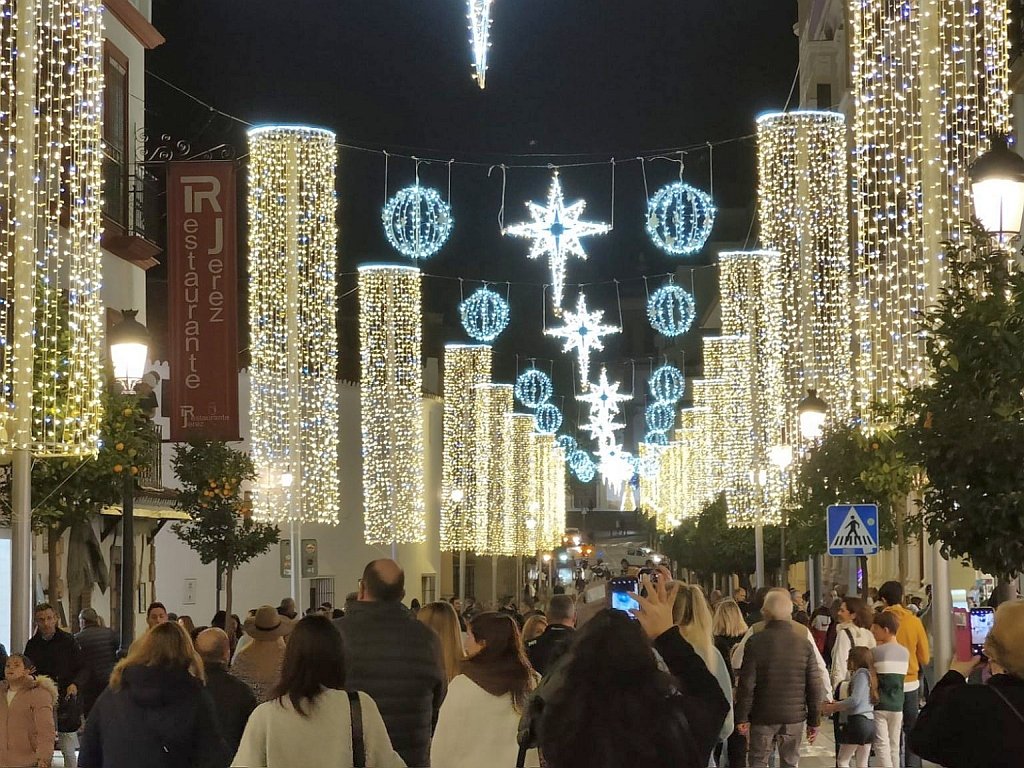
The Christmas lights are one of the highlights of the festive season in Ronda. As the evenings draw in, illuminated streets and decorated squares bring a different atmosphere to the historic centre.
The switching on ceremony normally happens during the last week of November/ 1st week of December.
The Plaza de España and the main shopping streets are good places to begin an evening walk. Carrera Espinel (La Bola), the town’s principal shopping street, and the streets around Virgen de la Paz are usually among the areas to explore for festive decorations.
The lighting displays and associated activities change from one year to the next. Some years bring additional installations, family entertainment or temporary attractions. If you want to know what is planned during your visit, check with the Ronda Tourist Office or ask your hotel or accommodation provider for the current programme.

Even without a particular event to attend, an evening stroll through the illuminated streets is an enjoyable way to experience the town. Stop for a drink or something to eat, browse the shops and take time to appreciate Ronda after dark.
Spanish Christmas Traditions in Ronda
Christmas in Spain follows a different rhythm from Christmas in Britain. Although Christmas Day is important, the celebrations continue through the end of December and into January, with Three Kings’ Day providing the traditional finale.
Nativity Scenes and Belénes
Nativity scenes, known as belenes, are an important part of the Spanish Christmas tradition. They range from small displays in homes and churches to larger public scenes depicting the Nativity and the surrounding village.
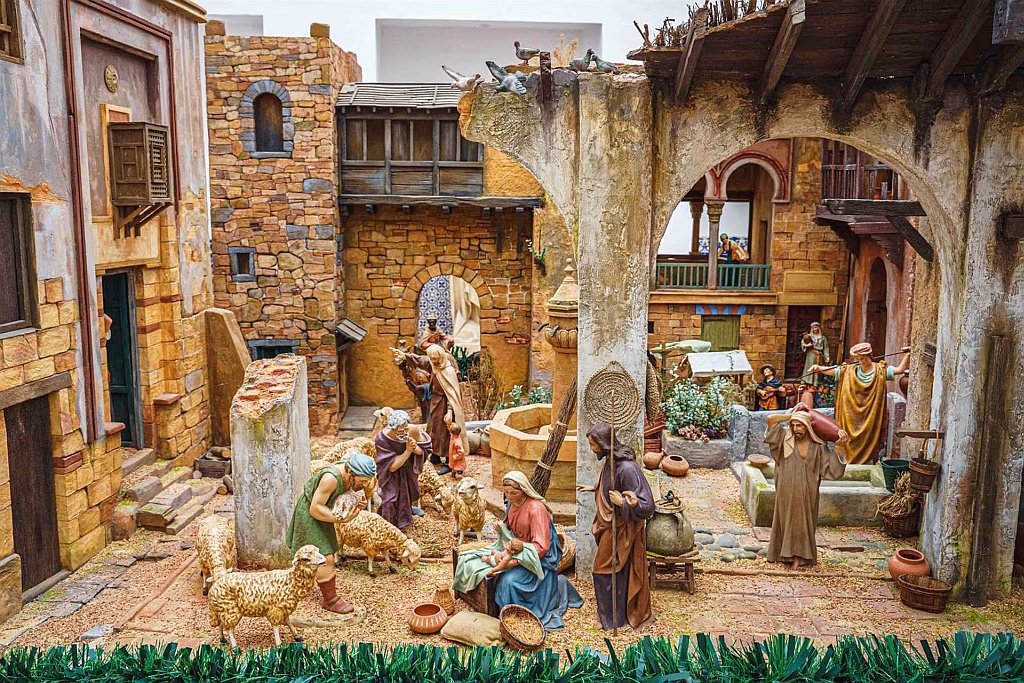
Churches and public buildings in Ronda may host displays during the festive season. The arrangements vary each year, so ask at the Tourist Office about any public nativity scenes that will be open during your visit.
Christmas Music and Zambombas
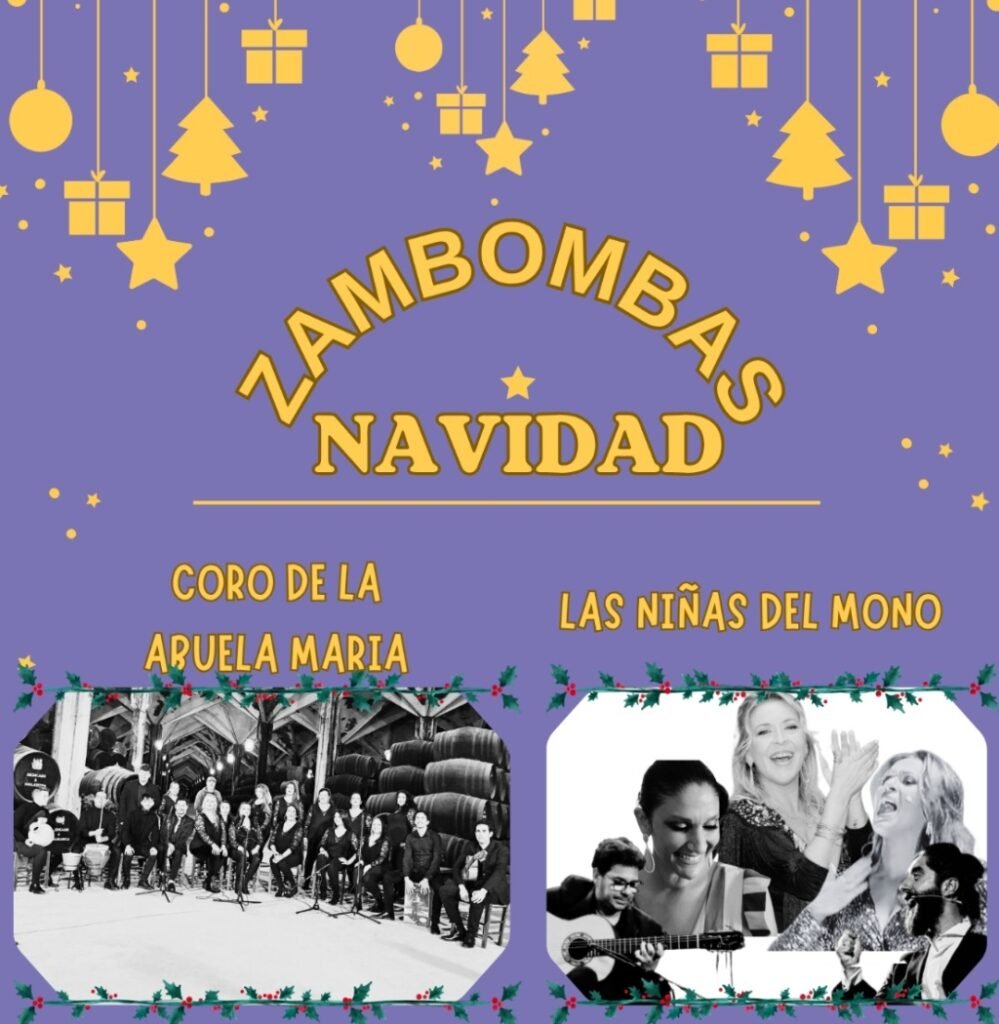
Traditional Christmas music is another feature of the season in Andalucía. In parts of the region, zambombas are lively gatherings featuring singing, percussion and traditional Christmas songs, often accompanied by food and drink.
Christmas Sweets
Spanish Christmas tables are filled with seasonal sweets. Look out for turrón, a traditional confection usually made with almonds and honey, along with polvorones and mantecados, crumbly biscuits associated with the festive season.
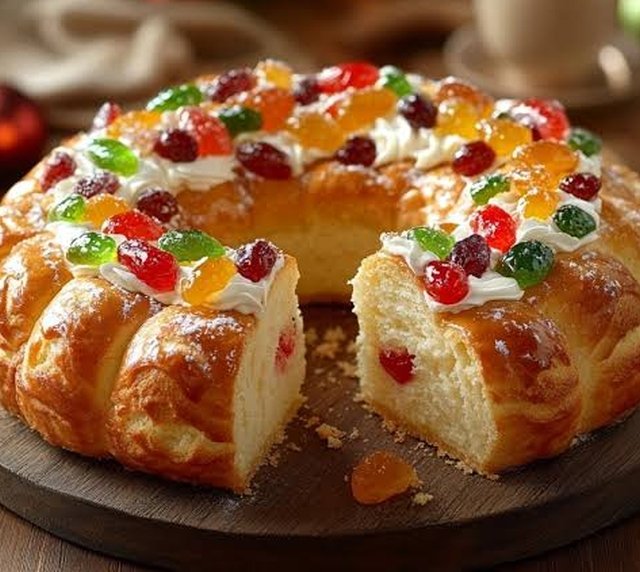
These treats appear in supermarkets, bakeries and specialist food shops in the weeks leading up to Christmas. They also make good gifts to take home.
New Year’s Eve and the Twelve Grapes
New Year’s Eve, known as Nochevieja, is celebrated with family meals, parties and the Spanish tradition of eating twelve grapes at midnight. One grape is eaten with each of the twelve clock chimes, symbolising good luck for the twelve months ahead.
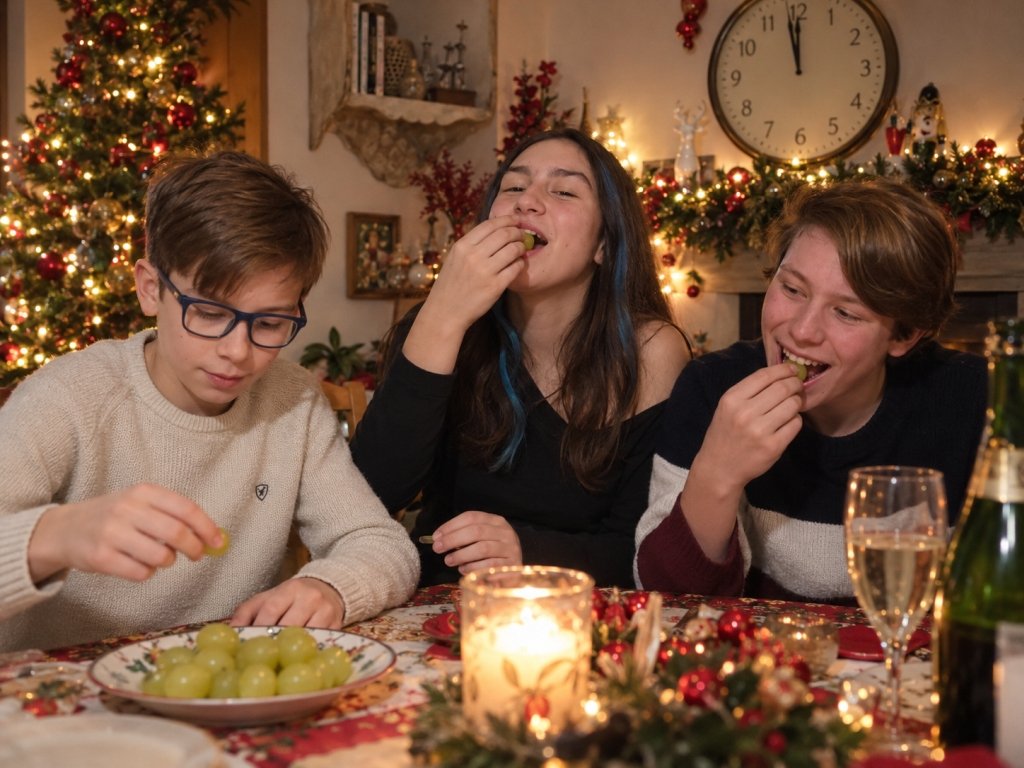
If you are spending New Year’s Eve in Ronda, check restaurant opening arrangements and book ahead if you want to eat out. Some establishments offer special menus, while others may close or operate reduced hours over the holiday period.
The Three Kings
The arrival of the Three Kings, or Los Reyes Magos, is one of the most important events in the Spanish Christmas calendar. Children traditionally receive their main Christmas presents on the morning of Three Kings’ Day rather than on Christmas Day.
The celebrations usually include a Cabalgata de Reyes, a procession featuring the Three Kings and other participants. These parades are a major event for families, with sweets often distributed to spectators.
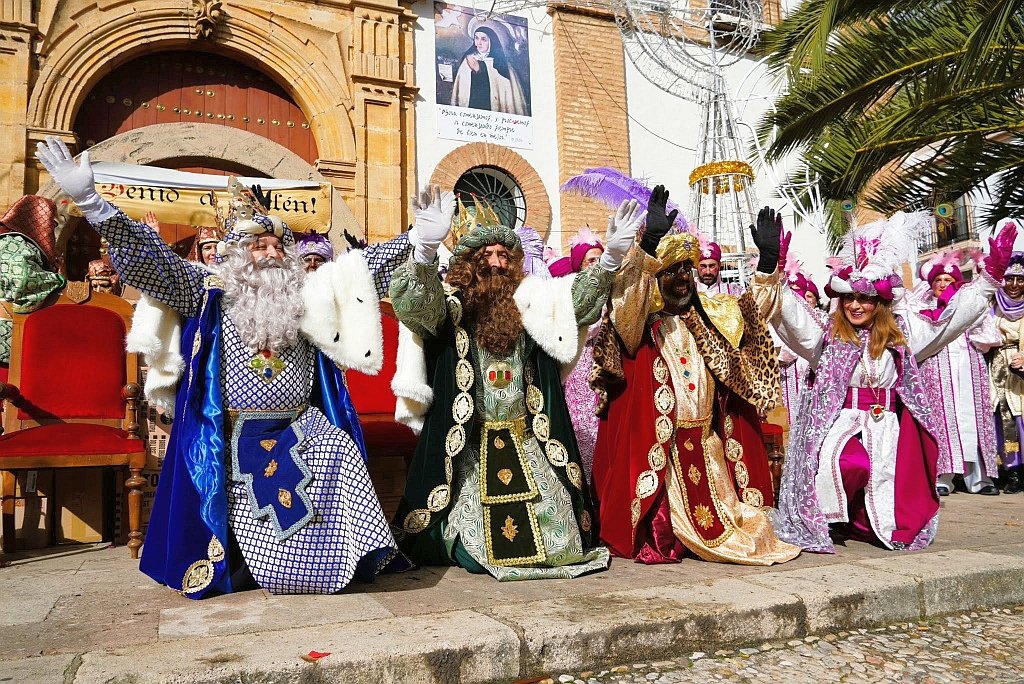
The route, timing and arrangements in Ronda can change from year to year. Contact the Tourist Office or ask your accommodation provider for the latest information if you want to watch the procession.
Things to Do in Ronda During the Christmas Holidays
Christmas is a good time to explore Ronda’s main sights without the intensity of the summer heat. Some days will be bright and sunny; others may be cold or wet. A flexible itinerary gives you the opportunity to enjoy both the town and its surroundings.
Walk Across the Puente Nuevo and Explore El Tajo
Ronda’s most famous landmark is the Puente Nuevo, the eighteenth-century bridge spanning the deep El Tajo gorge. The views from the bridge and the surrounding viewpoints are impressive at any time of year.
Read more about the Puente Nuevo.

Winter light can be particularly attractive for photography, especially after rain, when the landscape may appear greener. Take care on wet or slippery surfaces and be prepared for colder conditions around the gorge, where the wind can make it feel considerably chillier.
For a closer look at the landscape, consider the Desfiladero del Tajo Gorge Walk, which provides a different perspective on the gorge and the bridge. Check the current access arrangements, opening information and weather conditions before setting out, as access can be affected by maintenance or adverse weather.
Enjoy the Views from Alameda del Tajo
The Alameda del Tajo is a pleasant place for a walk, with tree-lined paths and viewpoints overlooking the surrounding countryside. On a clear winter day, the views across the Serranía de Ronda can be excellent.

It is also a good place to pause between sightseeing stops. Bring an extra layer of clothing if you plan to spend time at the viewpoints, particularly later in the afternoon.
Explore Ronda’s Historic Centre
Ronda has plenty to offer beyond its famous bridge. Wander through the old town, explore its historic streets and visit some of its museums and monuments.
Places worth considering include:
- The historic bullring: one of Ronda’s best-known landmarks, with a museum exploring the history of bullfighting.
- The Arab Baths: historic baths that offer a glimpse into Ronda’s Islamic past.
- Palacio de Mondragón: a historic palace with architectural features and museum displays relating to the town’s history.
- Casa del Rey Moro: A historic property in Ronda’s old town, famous for its water mine and gardens overlooking the El Tajo gorge. The mine’s staircase descends through the rock towards the river, offering a fascinating glimpse into Ronda’s past.
Opening hours can vary during public holidays, so check individual attractions before visiting, especially around Christmas and New Year.
Discover Ronda with a Self-Guided Audio Tour
If you want to understand more about the town as you explore, my VoiceMap audio tour, Ronda: Andalucía’s ‘City of Dreams’ Walking Tour, takes you through the streets while explaining the history, landmarks and stories behind them.
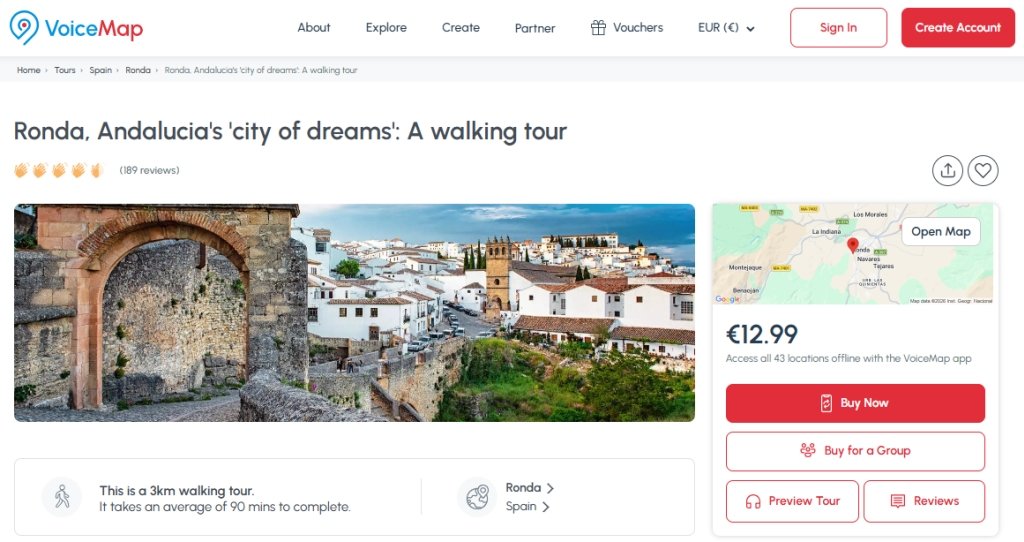
A self-guided tour allows you to explore at your own pace and stop whenever something catches your attention. It is particularly useful in winter, when you can fit sightseeing around the weather and take breaks in cafés along the way.
Eating Out in Ronda During Winter
Food is an important part of a winter visit to Ronda. Cooler weather is a good excuse to try some of the hearty dishes associated with the Serranía de Ronda and the wider region.

Look for traditional dishes such as rabo de toro (oxtail stew), migas serranas and seasonal soups and stews. Menus vary between restaurants, but winter is a good time to explore the local cooking rather than relying solely on familiar tourist favourites.
Ronda also has a growing reputation for local wine. You will find wines from the surrounding countryside on restaurant menus, alongside bottles from other parts of Andalucía.
For dessert or a mid-afternoon treat, try the traditional Christmas sweets sold in local shops. Turrón, polvorones and mantecados are especially common during the festive period.
Ronda Todays Top 5 Places To Eat. Best Tapas bars and Restaurants in Ronda.
Tapas in Ronda: A Local Guide to Eating Like a Spaniard
Vegetarian, Vegan and Gluten-Free Food in Ronda
Restaurant opening hours can be different around Christmas Day, New Year’s Eve and other public holidays. If you have a particular restaurant in mind, contact it directly and reserve a table in advance where necessary.
Olive Oil and Vineyard Visits
The countryside around Ronda is known for its olive groves and vineyards. A visit to a local producer can be a rewarding addition to a winter itinerary, particularly if you are interested in Andalusian food and drink.
Visit an Olive Oil Producer
Olive oil is central to Andalusian cooking, and a visit to an olive oil producer offers an opportunity to learn more about how the olives are grown, harvested and processed.
LA Almazara, associated with designer Philippe Starck, is one option to investigate. Check in advance whether visits are available during your stay, as opening arrangements and experiences may vary by season.

Discover Ronda’s Wine Country
The Serranía de Ronda has a distinctive wine-growing landscape, with vineyards set among the hills and countryside outside the town.

Winter can be a quieter time to explore the region, but availability depends on the individual producer. Contact wineries directly before making plans.
Visiting the Sierra de Grazalema in Winter
Ronda makes a useful base for exploring the wider Serranía de Ronda, including the white villages and the mountains of the Sierra de Grazalema.
Explore the White Villages

Winter brings a different character to the countryside. Rain can turn the landscape green, streams may run more strongly and the mountains can be particularly atmospheric. Clear days offer excellent opportunities for scenic drives and village visits.
Explore the Sierra de Grazalema over at our sister site The Grazalema Guide
The white villages of the region are known for their whitewashed houses, narrow streets and dramatic settings. Grazalema is one of the best-known villages in the Sierra de Grazalema, while Setenil de las Bodegas is famous for its houses built beneath and into overhanging rock.
A winter visit can be quieter than a summer trip, giving you more time to wander through the villages, stop for a meal and enjoy the surrounding scenery.
Bear in mind that mountain roads can be affected by heavy rain, fog or other poor weather. Check conditions before setting off and allow extra time for driving.
Walking in the Sierra de Grazalema
The Sierra de Grazalema Natural Park offers a range of walking opportunities, but winter conditions require some planning. Rain, mud, low cloud and colder temperatures can make routes more demanding than they appear in photographs.
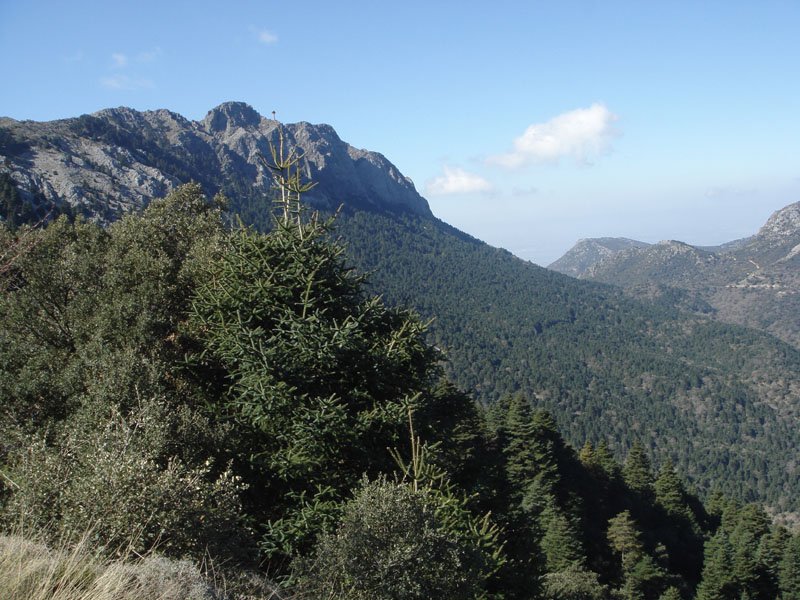
Some routes in the natural park require advance permission or have access restrictions. Check the current rules for your chosen walk before travelling, and avoid setting out on exposed or unfamiliar routes in poor weather.
If the weather is unsettled, a scenic drive and a visit to one of the villages may be a better option than a long walk.
What Is the Weather Like in Ronda in December and January?
Winter in Ronda is usually cool, with a mixture of sunny days, cloudy periods and occasional rain. It is generally milder than many parts of northern Europe, but the town’s inland location and elevation mean that winter nights can be cold.
December Weather
Typical December daytime temperatures are around 11–16°C, with overnight temperatures often falling to approximately 3–7°C. Sunny afternoons can feel comfortable for walking, but shaded streets and exposed viewpoints may be chilly.
Rain is possible, and wet weather can affect walking routes and countryside excursions. If you are visiting the Sierra de Grazalema, expect conditions to be potentially colder and wetter than in Ronda itself.
January Weather
January is also a cool winter month. Daytime temperatures are often around 11–15°C, while nights can fall to approximately 3–5°C and occasionally lower.
Frost is possible, particularly in the surrounding countryside. Mountain areas may experience colder, wetter and more changeable conditions, so check the forecast if you are planning a day trip beyond Ronda.
These figures are typical ranges rather than a forecast. Conditions vary from year to year, and it is worth checking the weather shortly before travelling.
What Should You Pack?
For a December or January visit, bring:
- A warm coat or insulated jacket for evenings and cold days.
- Layers that can be added or removed as temperatures change.
- Comfortable walking shoes with good grip.
- A waterproof jacket or compact umbrella.
- Warmer clothing if you intend to visit the Sierra de Grazalema or spend time outdoors after dark.
You may be comfortable in lighter clothing during a sunny afternoon, but do not assume that the weather will remain warm once the sun goes down.
Where to Stay in Ronda During Christmas and Winter
Ronda has accommodation ranging from small guesthouses and traditional hotels in the historic centre to rural properties in the surrounding countryside.
Staying in the town centre makes it easier to explore the main sights on foot, enjoy restaurants and experience the Christmas lights without needing to drive in the evening. If you are planning to explore the wider region, accommodation with parking may be more convenient.
Explore the dedicated article to hotels in Ronda here.
The festive season can bring changes to availability and opening arrangements. Check whether your accommodation is open for your intended dates, and confirm any arrangements for late arrivals, meals or parking.
If you are visiting over a major holiday, book ahead rather than assuming you will find your preferred room at the last minute.
Practical Tips for Visiting Ronda During the Festive Season
Check the local events programme. Christmas lights, concerts, nativity scenes, family activities and the Three Kings procession can vary each year. The Ronda Tourist Office and your accommodation provider are useful sources of current information.
Check opening hours. Museums, monuments, shops and restaurants may have altered schedules around public holidays. Verify arrangements before making a special trip.
Book important meals in advance. If you want to eat out on a particular evening, especially during the main festive holidays, contact the restaurant directly.
Allow for winter weather. Rain and low temperatures can affect walking plans, particularly in the gorge and surrounding mountains. Keep an alternative indoor activity in mind.
Plan mountain excursions carefully. Conditions in the Sierra de Grazalema can differ considerably from those in Ronda. Check road and walking-route information before setting off.
Explore on foot where possible. Ronda’s historic centre is best discovered at a leisurely pace. Comfortable footwear is useful, as many streets are sloping or paved with stone.
Frequently Asked Questions
Yes. December offers Christmas lights, seasonal food, historic sights and opportunities to explore the surrounding countryside. The weather is cooler than in summer, and rain is possible, but sunny winter days can be very pleasant.
January is generally cool, with daytime temperatures often around 11–15°C and colder nights. It is a good month for sightseeing, local food and day trips when the weather is suitable. Pack warm layers and check conditions before heading into the mountains.
January is generally cool, with daytime temperatures often around 11–15°C and colder nights. It is a good month for sightseeing, local food and day trips when the weather is suitable. Pack warm layers and check conditions before heading into the mountains.
Christmas markets and seasonal stalls may form part of the town’s festive programme, but their presence, location and dates can vary. Ask the Tourist Office or your accommodation provider for details of what is planned during your visit.
The Cabalgata de Reyes traditionally takes place on the evening before Three Kings’ Day, usually 5 January. The route and timing in Ronda can vary, so check the current programme with the Tourist Office or your accommodation provider.
Yes, and the scenery can be particularly attractive after autumn and winter rain. However, conditions can be cold, wet or foggy, and some walking routes have access restrictions or require permission. Check the forecast, road conditions and route requirements before travelling.
It can be. Daytime temperatures are often mild enough for sightseeing when the sun is out, but evenings and nights are cold, and temperatures can approach freezing. Bring a proper coat and warm layers.
Opening arrangements vary. Some businesses close or reduce their hours on public holidays, while others remain open. Check directly with individual restaurants and attractions, particularly if you are visiting on Christmas Day or New Year’s Day.
Enjoy Christmas in Ronda
Christmas and winter are an appealing time to discover Ronda and the Sierra de Grazalema. The festive lights and Spanish traditions give the town a different atmosphere, while the cooler weather makes it easier to spend time exploring its streets, monuments and surrounding countryside.
With a little preparation for the weather and the holiday opening hours, you can combine the Christmas celebrations with local food, wine, olive oil, scenic walks and visits to the white villages.
Check the current local programme before travelling if you want to attend a particular event, then leave some time in your itinerary simply to explore Ronda at your own pace.

I’ve been living in this lovely area of Western Andalucia for the last 20 years or so and dedicate most of my time to the running of English language tourist information websites for the towns of Cádiz, Ronda, Grazalema, the famous or infamous Caminito del Rey, and also Wildside Holidays, which promotes sustainable and eco-friendly businesses running wildlife and walking holidays in Spain. My articles contain affiliate links that will help you reserve a hotel, bus, train or activity in the area. You don’t pay more, but by using them you do support this website. Thankyou!
Comments are closed.