Hidden beneath the Casa del Rey Moro on the edge of the Tajo Gorge, Ronda’s Water Mine is one of the city’s most remarkable examples of medieval Islamic engineering. Carved deep into the rock, the mine provided a vital water supply for the city and was heavily defended during a period of conflict in medieval Al-Andalus.
The Water Mine was built during the reign of Abomelic, ruler of Ronda, in the early 14th century. At the time, Ronda was an independent Islamic kingdom on the frontier between the Christian territories to the north and the emerging Nasrid Kingdom of Granada..
The VoiceMap Audio Guide
Ronda’s remarkable Water Mine, found beneath the Casa del Rey Moro (House of the Moorish King), is one of the most captivating landmarks featured in the VoiceMap GPS Audio Guide for Ronda. This immersive walking tour leads you through the city’s winding streets and dramatic landscapes while uncovering stories from Ronda’s fascinating past.
Visiting Ronda’s Water Mine
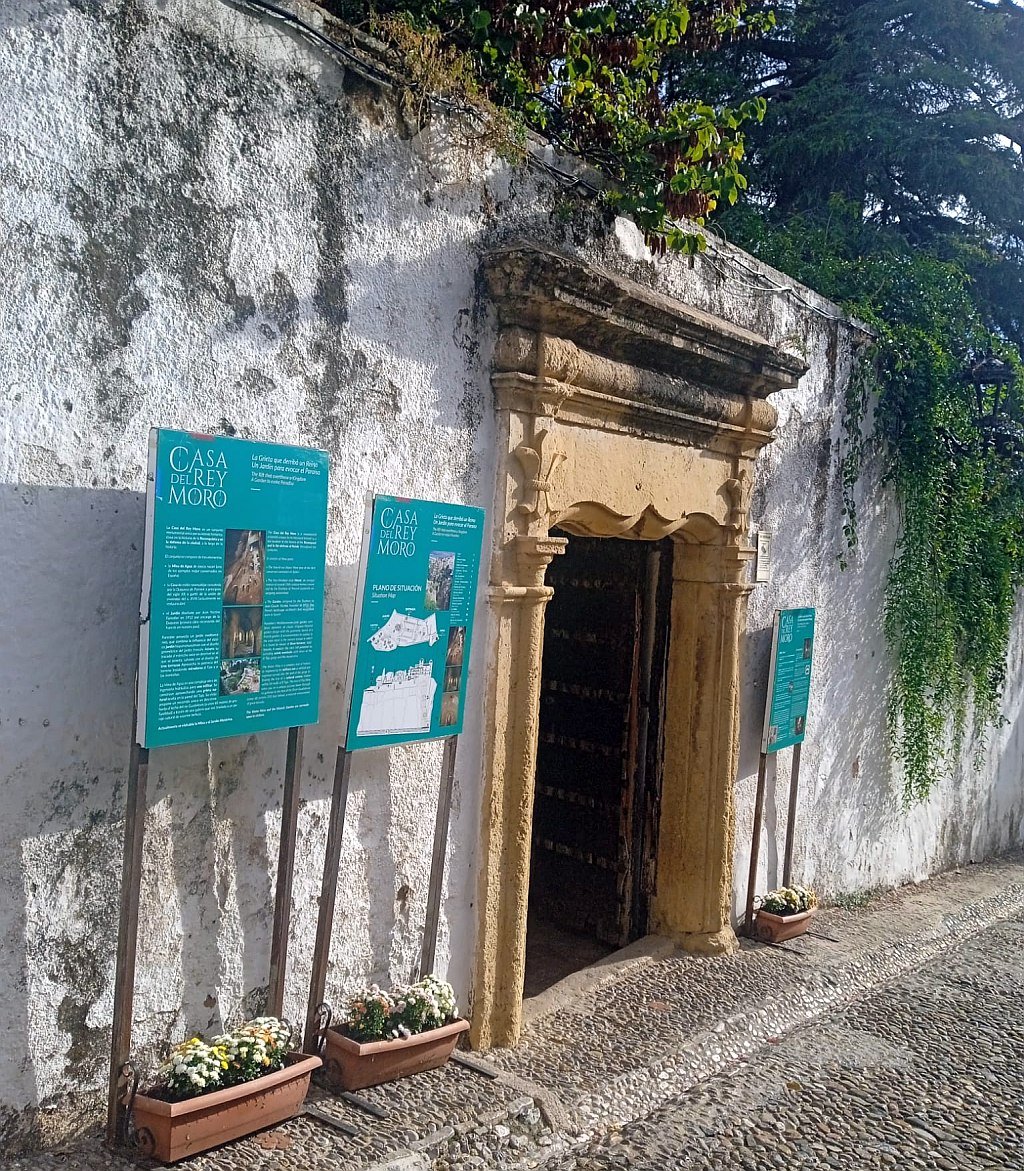
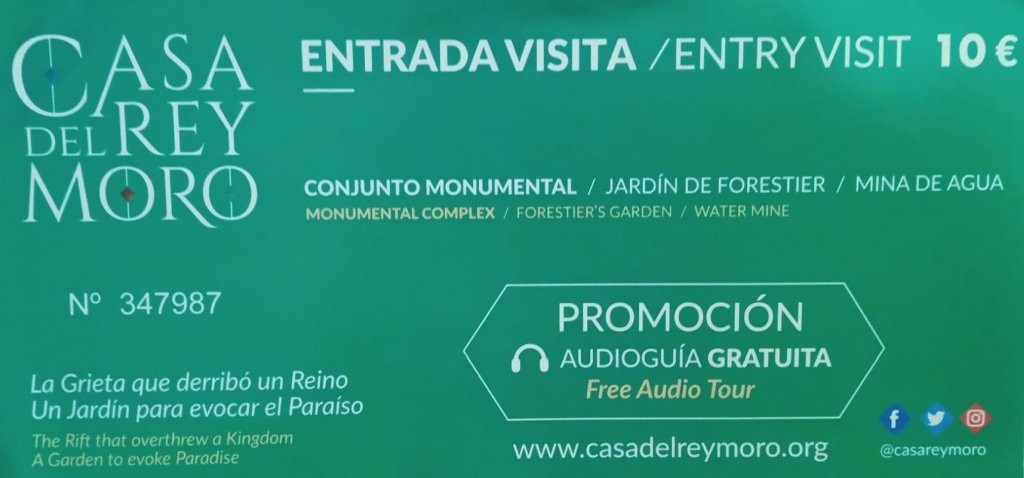
The Water Mine is part of the Casa del Rey Moro, a historic house and garden overlooking the Tajo Gorge. Your ticket includes access to the gardens and the remarkable underground mine, which descends through the rock towards the Guadalevín River.
Allow plenty of time for the visit, particularly if you want to explore the mine at a leisurely pace. The descent is steep and involves 231 steps, so comfortable footwear is recommended.
The entrance fee is currently €10 per person.
The Gardens of the Casa del Rey Moro
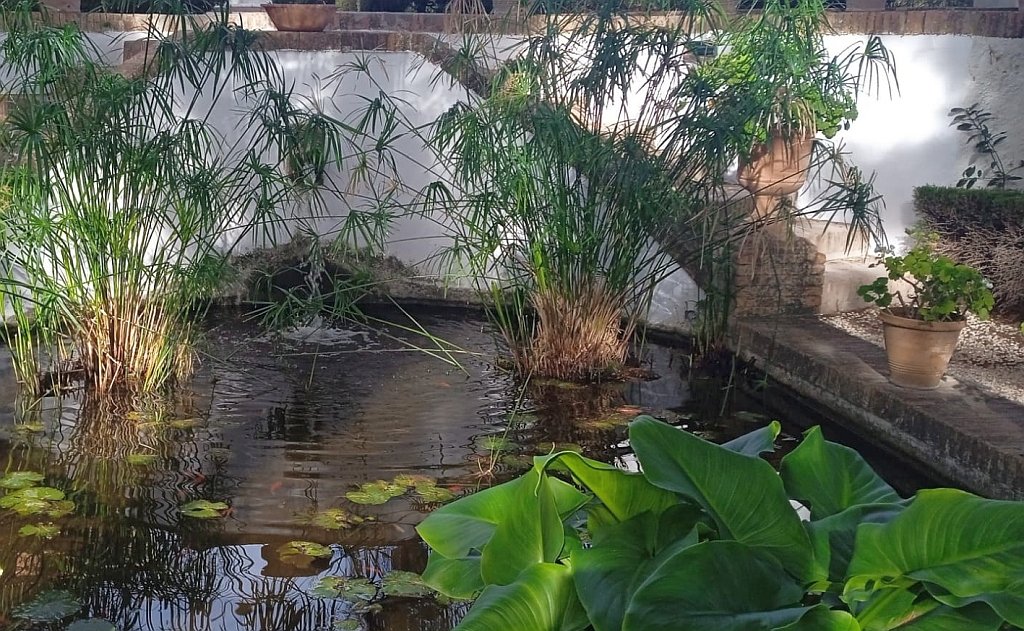
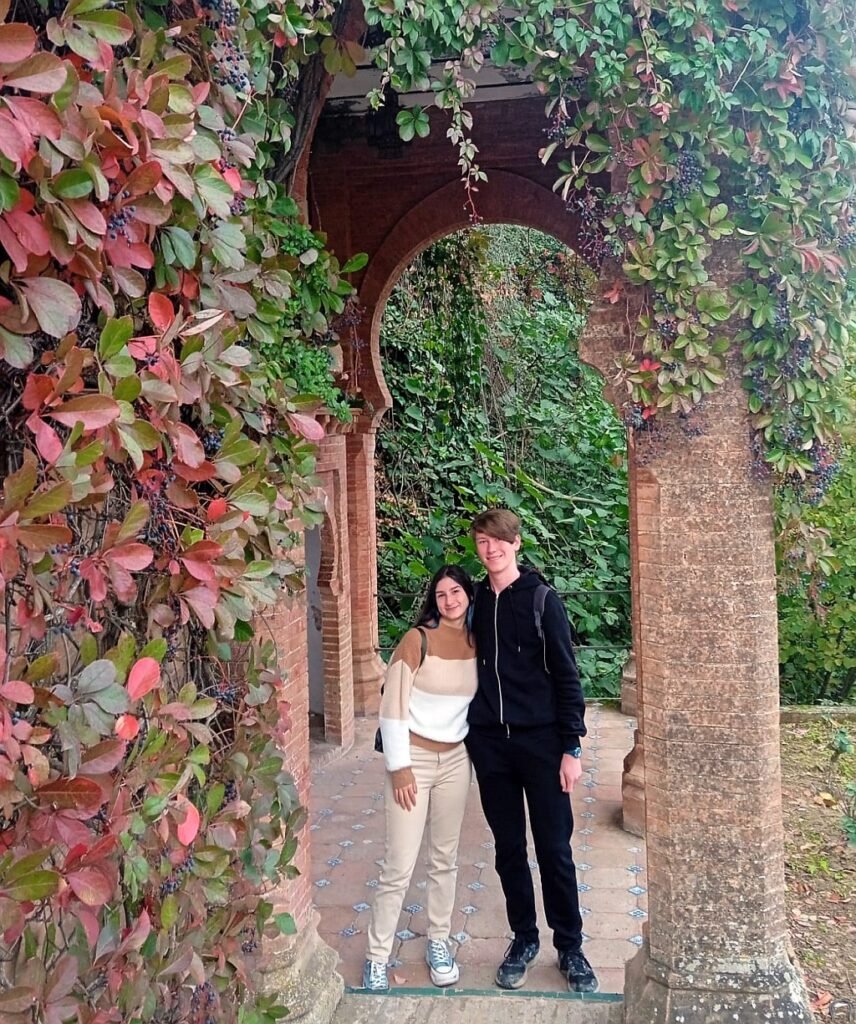
Before descending to the Water Mine, visitors pass through the terraced gardens of the Casa del Rey Moro. The gardens were redesigned in the early 20th century by French landscape architect Jean Claude Nicolas Forestier, who also worked on several important gardens in Spain and Europe.
The gardens occupy the steep slope above the Tajo Gorge, with terraces connected by paths and stairways. They provide spectacular views across the gorge and towards the surrounding countryside before the route descends into the Water Mine itself.
As you make your way down, the route becomes darker and more enclosed. The mine eventually reaches the bottom of the gorge, where the original water supply system was located.
The descent is a memorable part of the visit, but it is worth remembering that you will have to climb all the way back up again!
Views from Hotel Don Miguel
If you want to see the Water Mine and the cliffs from above without entering the Casa del Rey Moro, the Hotel Don Miguel provides one of the best views into this section of the Tajo Gorge.
The hotel sits directly beside the Puente Nuevo, with terraces overlooking the gorge and the cliffs below. From here, you can see the dramatic position of the Casa del Rey Moro and appreciate just how steep the descent into the Water Mine really is.

Buried Treasure?
There is an intriguing story connected with the Water Mine. According to local tradition, valuables were hidden in the mine during Ronda’s turbulent past, giving rise to stories of buried treasure beneath the Casa del Rey Moro.
Whether any treasure was ever hidden here is impossible to establish, but the stories add another layer to the history of this unusual underground passage.
The real treasure, however, is the mine itself — an extraordinary piece of medieval engineering carved into the cliffs beneath Ronda.
Medieval Islamic engineering
The Water Mine is an extraordinary example of medieval Islamic engineering. It was designed to provide Ronda with access to the Guadalevín River while protecting the city’s water supply during times of siege.
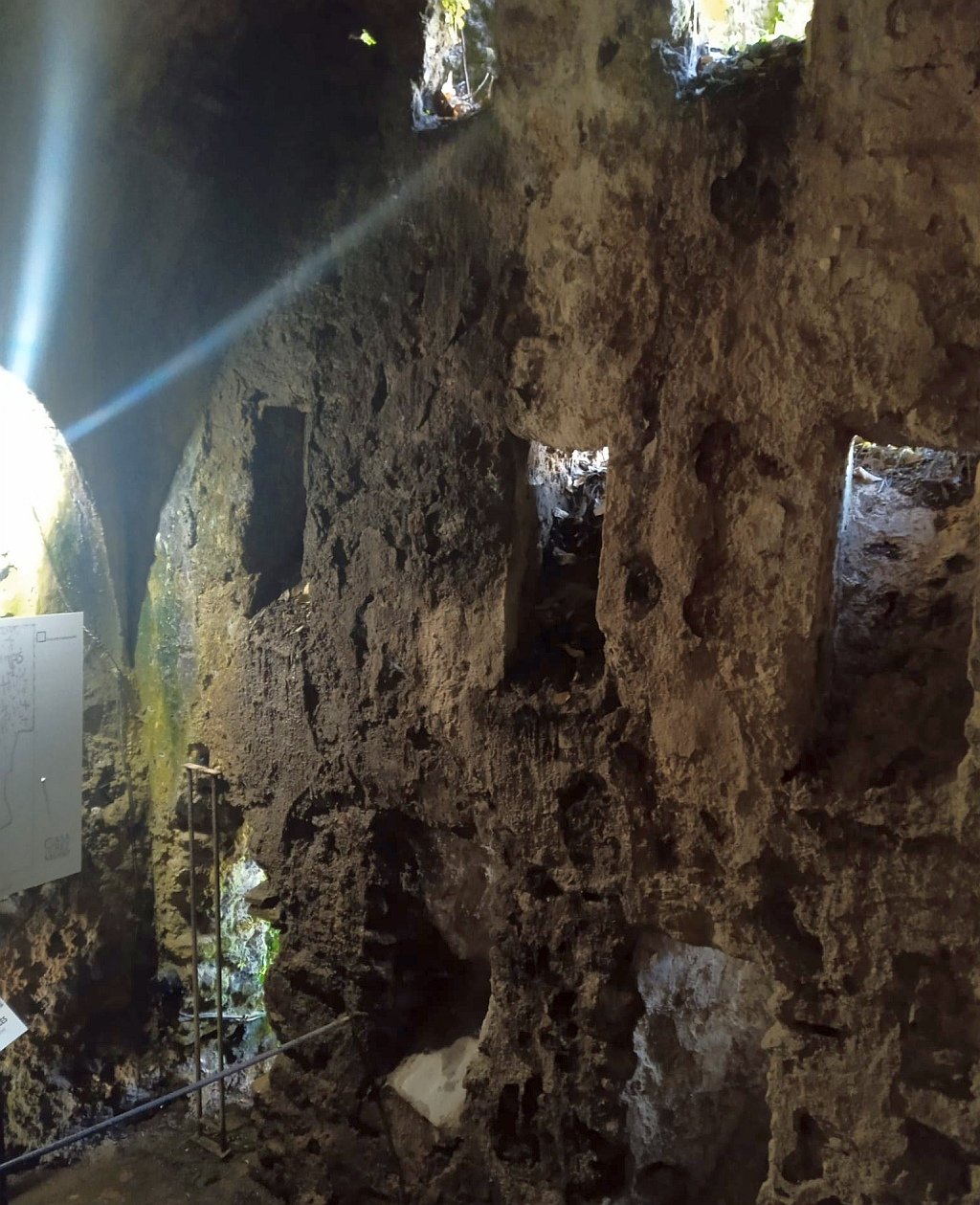
The mine descends approximately 60 metres through the rock, with 231 steps leading from the Casa del Rey Moro gardens towards the river. At the bottom, a fortified section protected the water supply and contained the machinery used to raise water from the river.
A large water wheel formed part of the system, but the most remarkable part of the operation was the human labour involved. According to the traditional account, enslaved people were chained to the staircase and formed a human chain between the river and the upper levels of the mine.
The full leather water skins (zagues) were passed from one person to the next up the staircase, while the empty skins were passed back down the chain. In this way, water could be raised from the river without each person having to climb all 231 steps carrying a full skin.
Standing at the bottom of the mine and looking up the long staircase gives you a real sense of the scale of the operation. Every drop of water brought up from the river had to make its way through this extraordinary underground passage.
A Secret Escape Route Out of the City?
The Water Mine was not only important for bringing water into Ronda. Its position beneath the city also created a potential escape route from the fortified town to the river.
According to the traditional account, the passage could be used as a way out of the city during an attack. The fortified rooms at the bottom of the mine could also be defended from above, making it difficult for an enemy to reach the water supply.
There are also stories that boiling water could be poured down the mine onto attackers attempting to climb the staircase. Another part of the mine is known locally as the “room of secrets”, adding to the many legends surrounding this extraordinary underground complex.
Whether every detail of these stories can be historically confirmed is difficult to establish, but they give an insight into the defensive importance attributed to the Water Mine over the centuries.
Opening hours and contact details for Ronda’s Water Mine under the Casa del Rey Moro
You can buy your entry tickets online in advance on the website or at the entrance gate.
The Casa del Rey Moro gardens and Water Mine are open every day.
October to April: 10:00–20:00
May to September: 10:00–21:30
Admission is currently €10 for adults and €3 for children under 12.
The historic house itself is currently undergoing restoration, but the gardens and Water Mine remain open to visitors
- Telephone: +34 617 61 08 08
- Website: https://casadelreymoro.org/en/home/
- Address: La Casa del Rey Moro, Calle Cuesta de Santo Domingo, 9 29400 Ronda Málaga Spain
Tours and activitites in Ronda from Get Your Guide
FAQ – Ronda’s Secret Water Mine (Casa del Rey Moro)
Ronda’s Water Mine (La Mina de Agua) is a subterranean Moorish-era water supply system and fortress carved directly into the Tajo Gorge cliffs. Built in the early 14th century, it safeguarded the city’s access to water during sieges and doubles as a hidden refuge offering rich insight into medieval defensive engineering.
Constructed under the reign of King Abomelic (a Merinid monarch) circa the early 1300s, the mine was part of Ronda’s fortifications when it served as a border fortress between Moorish Granada and Castile.
Visitors descend 231 hewn steps over a 60-metre shaft to reach river level. Water was then drawn via a noria (waterwheel) powered by human effort and carried up in leather bags by slaves in a human chain.
Within the mine are fortified chambers—including a weapons room and a “Hall of Secrets” with sound-altering acoustics. Narrow windows allowed defenders to hurl boiling liquids on attackers. It was also rumored to serve as a secret escape route.
The Hall of Secrets is a domed chamber noted for its unique acoustics—whispered speech travels distinctly between corners while seeming inaudible elsewhere.
During the 1485 siege by the Marquis of Cádiz, Christian forces captured the water mine and disabled its noria. Losing access to water, the city surrendered within days.
Visitors begin by entering the Casa del Rey Moro gardens, then descend into the mine. The site is open daily, with summer hours extended until 9:30pm and an entry fee of €10
Yes—it’s featured in the VoiceMap GPS Audio Guide for Ronda and there is also an on-site guide available when you buy your entry ticket.
The mine is one of the finest-preserved examples of medieval Islamic hydraulic engineering in Spain. It includes vaulted chambers, multiple defensive levels, and a water-lifting mechanism—all hewn straight from the rock.
Nearby attractions in Ronda include the Puente Nuevo bridge, the Real Maestranza bullring, Arab baths, local museums, and remarkable scenic walks. The city is compact and walkable, ideal for exploring at your own pace.

I’ve been living in this lovely area of Western Andalucia for the last 20 years or so and dedicate most of my time to the running of English language tourist information websites for the towns of Cádiz, Ronda, Grazalema, the famous or infamous Caminito del Rey, and also Wildside Holidays, which promotes sustainable and eco-friendly businesses running wildlife and walking holidays in Spain. My articles contain affiliate links that will help you reserve a hotel, bus, train or activity in the area. You don’t pay more, but by using them you do support this website. Thankyou!
6 thoughts on “Ronda’s Water Mine at the Casa del Rey Moro”
Comments are closed.