
Discover Acinipo: The Roman Ruins Near Ronda
Acinipo, also known as Ronda la Vieja (Old Ronda), is an ancient Roman archaeological site in the hills outside Ronda. Once an important city in the region, its atmospheric ruins offer visitors a chance to explore Roman history, enjoy impressive countryside views and discover a quieter side of the Serranía de Ronda.
Important access update: Acinipo is currently closed to visitors because of a road collapse affecting the MA-7402 access road. Check with the Ronda Tourist Office before travelling, as the reopening date has not been confirmed.
Visitors to Acinipo can explore the remains of its impressive Roman theatre, built into the hillside and offering views across the surrounding countryside. Other visible remains include Roman baths, residential buildings and traces of the ancient city, giving an insight into life here nearly 2,000 years ago.

Set high on a hill, Acinipo combines ancient history with spectacular views across the countryside around Ronda. Its peaceful setting makes it a rewarding stop for anyone interested in Roman Spain, archaeology or the lesser-known sights of Andalucía.
A Brief History of Acinipo
Acinipo was once one of the most important settlements in this part of southern Spain. Its history stretches back well before the arrival of Rome, but the city became particularly significant during Roman rule. The area also featured in the wider conflicts of the Roman civil wars, including the struggle between Julius Caesar and the sons of Pompey.
Acinipo the city was most likely founded by native Iberians several thousand years ago, and archeological evidence at the site shows a bronze age settlement existed here between 1100BC and 750BC, and a Carthiginian town may well have been established after this period, before the fall of Carthage in the Punic wars.
Acinipo’s most important period began after the arrival of Rome, around 202 BC. Over the following centuries, it developed into a substantial Roman city and an important centre for the surrounding area. At its height, Acinipo may have been home to around 5,000 people, with further settlements spread across the countryside and nearby Arunda, the ancient settlement that later became Ronda.
The Roman theatre is the most impressive surviving structure at Acinipo. Built directly into the hillside, it used the natural slope to support its seating and provided spectacular views across the surrounding countryside. The theatre could accommodate approximately 2,000 spectators and remains one of the best-preserved features of the ancient city.

Acinipo’s importance is reflected in the fact that it minted its own coins during the late Republican period, around 56–53 BC. The city later became known for its impressive Roman theatre, built into the hillside and capable of seating approximately 2,000 spectators.
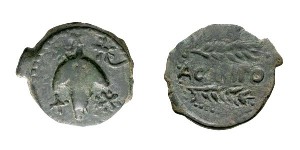
Acinipo also played a part in the wider political struggles of the late Roman Republic. During the conflict between Julius Caesar and the supporters of Pompey, the region was affected by the campaigns that shaped the future of Roman Spain. Later, veterans of the Roman army are thought to have settled in the area, helping to strengthen Acinipo’s Roman character and agricultural economy.
The name Acinipo is often associated with the Latin phrase “amongst the vineyards”, reflecting the importance of grape growing in the surrounding countryside. The area’s fertile land and favourable climate made it well suited to agriculture, including the production of wine.
Situated at 999 metres above sea level with commanding views over the area, Acinipo was never threatened by barbarians, in fact the Iberian population of the time was completely Roman in almost every way, and life was more or less safe and prosperous. Acinipo was a complete city, with public buildings, the ampitheatre, Roman baths, temples; everything a Roman citizen could need.
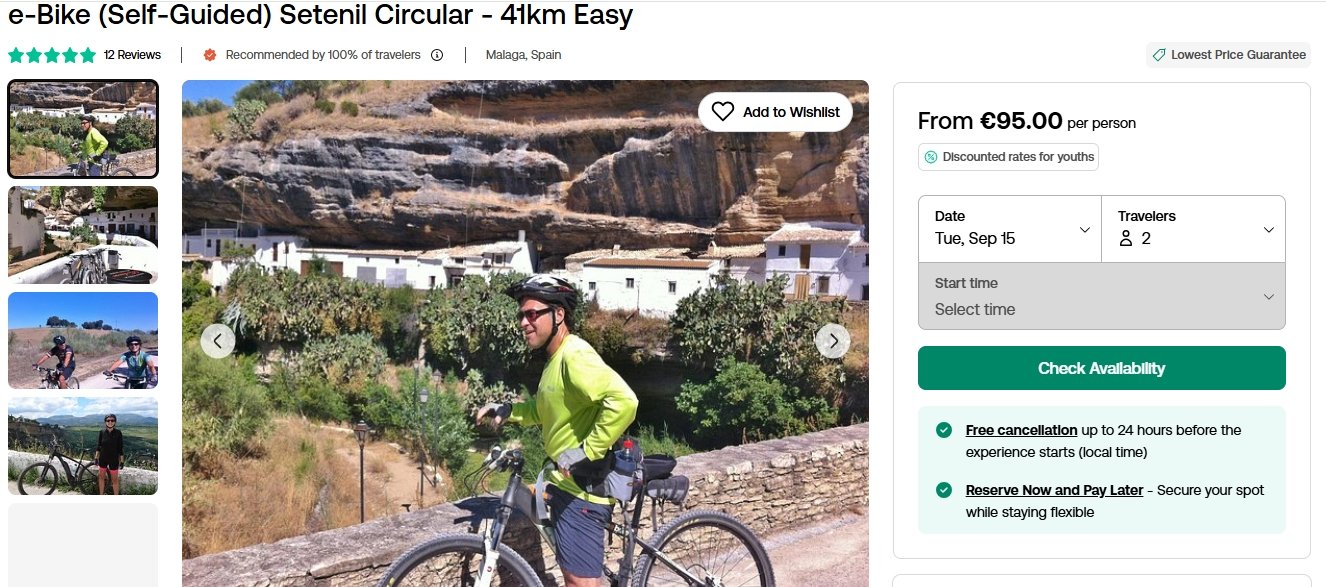
E-Bike – Acinipo and Setenil Circular Guided Cycling Tour
Fancy visiting Acinipo by bike? A cycling journey through history. An undulating mountain loop from Ronda up into the hills and the Roman remains of Acinipo. Continue riding down to the ancient riverside “cavehouses” of Setenil de las Bodegas and then back up to Ronda. Quiet roads with long ascents and descents.

During the time of Acinipo’s dominance over the area we know that Roman settlements also existed at Grazalema, Setenil de las Bodegas, Olvera, Antequera, Juzcar, and of course Arunda, where a castle and military fortress was built to keep the army out of the major civilian towns.
Acinipo gradually declined during the later Roman period. Changes in trade routes, the growth of nearby settlements and the wider political and economic difficulties affecting the Roman Empire may all have contributed to its abandonment. By the early medieval period, the city had largely fallen out of use, leaving its theatre and other ruins as reminders of its former importance.

Getting to Acinipo
Directions: Take the road to Sevilla (A-376), and after 7km turn right into MA-7402 signposted for Acinipo and Ronda la Vieja.
Opening Times and Admission
Important access update: Acinipo is currently closed to visitors because of a road collapse affecting the MA-7402 access road. Check with the Ronda Tourist Office before travelling, as the reopening date has not been confirmed.
Acinipo is open Tuesday to Sunday, with Mondays closed.
- Monday: Closed
- Tuesday: 9:00 am – 2:30 pm
- Wednesday to Saturday: 9:00 am – 5:00 pm
- Sunday and public holidays: 9:00 am – 2:30 pm
Admission is free. The last admission is 30 minutes before closing. Visits are self-guided, and there is no public transport service to the archaeological site.
(The hours were current at publishing time but may alter at any time…. Check the opening times before you go by visiting the tourist office in Ronda first.)
FAQ: Visiting Acinipo – Roman Ruins Near Ronda
Acinipo, also known as Ronda la Vieja (Old Ronda), is a major Roman archaeological site about 20 km from Ronda in southern Spain. Originally a Bronze Age settlement (1100–750 BC), it later became a Roman city built for retired legionaries after Caesar’s civil war. At its peak in the 1st century AD, it housed up to 5,000 people and even minted its own coins, underscoring its regional importance.
The site features one of the best-preserved Roman theatres in Spain, carved into a hillside and capable of seating around 2,000 spectators. Visitors can also see remains of Roman baths, sections of a domus (wealthy home), possible forum ruins, and traces of intricate mosaics. The elevated location offers sweeping views of the Andalusian countryside.
As the Roman Empire weakened and northern threats increased, many residents relocated to the more defensible settlement of Arunda—modern-day Ronda. Acinipo gradually declined and was mostly abandoned by the late 5th century AD, around the same time as the fall of Rome.
From Ronda, take the A-376 toward Sevilla for about 7 km, then follow the MA-7402 signs to Acinipo. Driving is recommended, though guided e-bike tours from Ronda, sometimes including Setenil de las Bodegas, are also available. Acinipo is open Wednesday to Saturday from 9 am to 2 pm and closed on Mondays and Tuesdays. Always check with the Ronda tourist office or Acinipo’s Facebook page for the latest updates.
Acinipo was part of a wider network of Roman settlements including Grazalema, Olvera, Antequera, Juzcar, and Setenil de las Bodegas—famous for its cave houses. Arunda (Ronda) later became the key military centre in the region, helping to preserve Roman influence in Andalusia.

I’ve been living in this lovely area of Western Andalucia for the last 20 years or so and dedicate most of my time to the running of English language tourist information websites for the towns of Cádiz, Ronda, Grazalema, the famous or infamous Caminito del Rey, and also Wildside Holidays, which promotes sustainable and eco-friendly businesses running wildlife and walking holidays in Spain. My articles contain affiliate links that will help you reserve a hotel, bus, train or activity in the area. You don’t pay more, but by using them you do support this website. Thankyou!