Ronda in March is an excellent time to experience this historic Andalusian town. Spring begins to shape the landscape, bringing greener countryside and comfortable temperatures. Moreover, visitor numbers remain lower than in peak summer months. Average daytime highs range between 16°C and 18°C (60°F–64°F), while evenings stay cool. Rainfall sits at around a 22% chance, however showers are usually short. As a result, most days include bright, sunny periods that suit sightseeing and outdoor activities.
Ronda Weather in March: Temperatures and Atmosphere
The weather in Ronda in March feels mild and refreshing. Days are warm enough for walking and exploring, but mornings and evenings require extra layers. Light jackets, sweaters, and long sleeves work well. Because Ronda sits in a mountainous area, breezes can appear suddenly, so a wind-resistant jacket is useful. Although March is one of the wetter months, rain rarely lasts all day. Instead, short showers alternate with sunshine, keeping the air clear and the scenery vivid.
Read more about the weather in Ronda here.
Where to Stay in Ronda in March
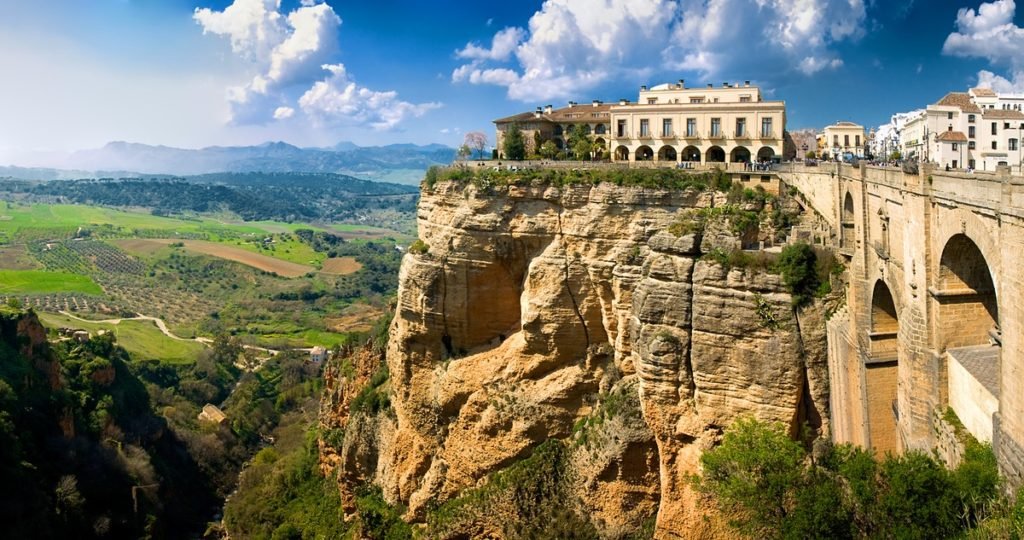
March is a good month for accommodation choice in Ronda, because availability is higher than in summer. Staying in the old town suits travelers who want to explore historic streets on foot and enjoy evening walks after day visitors leave. Hotels like the Parador and boutique guesthouses near the Puente Nuevo offer dramatic views and easy access to major sights.
For a quieter stay, rural hotels and “fincas” outside Ronda provide countryside views and easy access to hiking and cycling routes. Moreover, prices in March are often more reasonable, making higher-quality accommodation more accessible.
Things to Do in Ronda in March
Exploring the old town is one of the best things to do in Ronda in March. Cooler temperatures make walking through narrow streets and historic neighborhoods comfortable.

Visiting the Puente Nuevo bridge also feels more relaxed at this time of year. Clear spring light often improves visibility into El Tajo gorge, allowing for longer stops at viewpoints.
Outdoor Activities in March
March offers ideal conditions for outdoor activities. Hiking trails around Ronda are comfortable during the day, and the green countryside adds to the experience.

Cycling is also popular, because roads are quieter than in high season. Horse riding tours operate throughout the area, and spring weather makes longer rides enjoyable. Because temperatures remain moderate, these activities feel less demanding than in summer.
Places to Visit in and Around Ronda
Several key places to visit in Ronda are especially enjoyable in March. Mondragón Palace combines history with gardens that look fresh in spring. El Tajo viewpoints offer dramatic scenery enhanced by seasonal light and cloud movement.
Beyond the town, nearby white villages such as Grazalema, Setenil de las Bodegas, and Zahara de la Sierra are easy day trips. In March, these villages feel quieter, and the surrounding landscapes appear greener.

Semana Santa in Ronda
If Easter falls in March, Semana Santa becomes one of the most important events in Ronda. The town hosts traditional religious processions that move through historic streets. The atmosphere is serious and respectful, with music, candles, and formal dress.

What to Pack for Ronda in March
Packing for Ronda in March requires flexibility. Layers are essential because temperatures change throughout the day. Comfortable walking shoes are important due to stone streets and uneven surfaces. Sunglasses and a light rain jacket are also useful, as sunshine and brief showers can alternate quickly.
Ronda in March FAQs: Weather, Where to Stay, and What to Expect
Ronda in March combines mild weather, spring scenery, and a calm travel atmosphere. Visitors can explore historic sites, enjoy outdoor activities, and experience local traditions comfortably. If you are planning a spring trip to Andalusia, consider adding Ronda to your itinerary. Explore nearby white villages or discover more seasonal travel guides to make the most of your visit.
March is a very good time to visit Ronda for sightseeing, especially if you prefer cooler conditions. Daytime temperatures sit comfortably in the mid-to-high teens, which suits walking through the old town and along gorge viewpoints. Moreover, visitor numbers are lower than in summer, so key sights feel less rushed. The softer spring light also adds atmosphere, particularly around the Puente Nuevo and El Tajo.
Ronda’s March weather feels mild but changeable. Days are often bright and fresh, while mornings and evenings stay cool. Rain is possible, however it usually arrives in short showers rather than prolonged downpours. Because Ronda sits at altitude, breezes can appear without warning. As a result, layers and a light jacket are recommended, even on sunny days.
Staying in Ronda’s old town works particularly well in March, because exploring on foot is easy and evenings are peaceful once day visitors leave. Hotels near the Puente Nuevo offer striking views and quick access to major attractions. Alternatively, rural fincas outside town suit travellers seeking quiet countryside stays. Prices are often more reasonable at this time of year, which opens up better accommodation options.
March is well suited to outdoor activities around Ronda. Hiking trails feel comfortable during the day, and spring rain brings greener landscapes. Cycling is popular too, because roads are quieter before peak season. Horse riding tours continue throughout March, and moderate temperatures make longer outings more enjoyable. These activities can feel far less demanding than during the hotter summer months.
If Semana Santa takes place in March, it can be a memorable time to visit Ronda. The processions move through historic streets, creating a powerful atmosphere shaped by music, candles, and tradition. Although the tone is solemn rather than festive, visitors often find it deeply moving. Accommodation may fill faster during this period, so planning ahead is advised.
Packing for Ronda in March is all about flexibility. Layers work best, because temperatures change throughout the day. A light rain jacket is useful for brief showers, while a wind-resistant layer helps in exposed areas. Comfortable walking shoes are essential due to stone streets and slopes. Sunglasses are also worth bringing, as sunshine frequently follows passing clouds.

I’ve been living in this lovely area of Western Andalucia for the last 20 years or so and dedicate most of my time to the running of English language tourist information websites for the towns of Cádiz, Ronda, Grazalema, the famous or infamous Caminito del Rey, and also Wildside Holidays, which promotes sustainable and eco-friendly businesses running wildlife and walking holidays in Spain. My articles contain affiliate links that will help you reserve a hotel, bus, train or activity in the area. You don’t pay more, but by using them you do support this website. Thankyou!