
“Flamenco”—the word calls up an image of a slender dancer in an elaborate, ruffled costume with her fringed shawl and her castanets. Certainly, this stereotype has been perpetuated in everything from airline posters to dolls made for souvenirs. To some, this is flamenco for tourists, as they embrace the cante jondo, the deep song of agonizing lament sung by a man, a cantaora, without accompaniment, or with a single guitar. This, they claim, is authentic flamenco, the blues of Andalucía, improvised in jam sessions called juergas, sung because it must be sung, not because someone is listening or watching.
Churches in Ronda
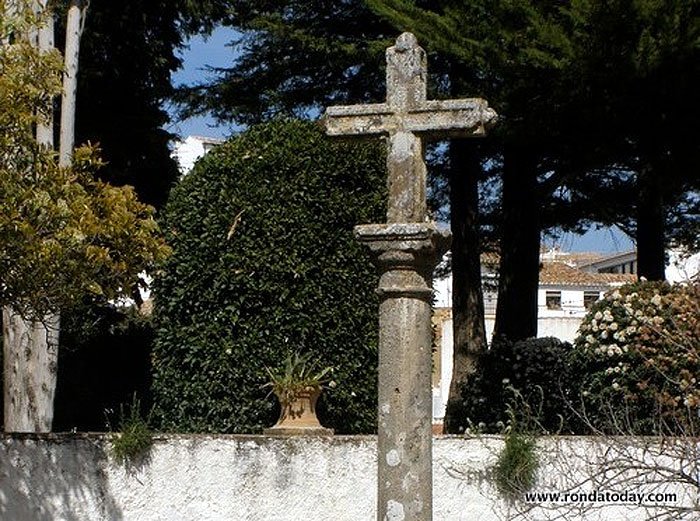
Ronda is famous for it’s churches built after the reconquest as Catholic Spain asserted it’s control over the formerly Muslim city. Four of the many churches in Ronda are especially noted for their architecture or the story behind them, and all are part of every great tour of Ronda.
Christianity in Ronda began with Visigothic control of Iberia after the collapse of the Roman Empire in the 5th century, and quickly became the dominant faith. Arab invaders entered Iberia and overran the Visigoths beginning in 711 AD, and until 1485 Ronda was a Muslim stronghold alternating between liberal interpretations of Muslim faith and the more conservative Sharia versions.
Visit a vineyard and wine tasting in Ronda

NOTE: This is an archived article about Visit a vineyard and wine tasting in Ronda…. Please see the more current and updated information here: https://rondatoday.com/wine-tasting-tours-and-visiting-a-winery-in-ronda/
Romans in Ronda
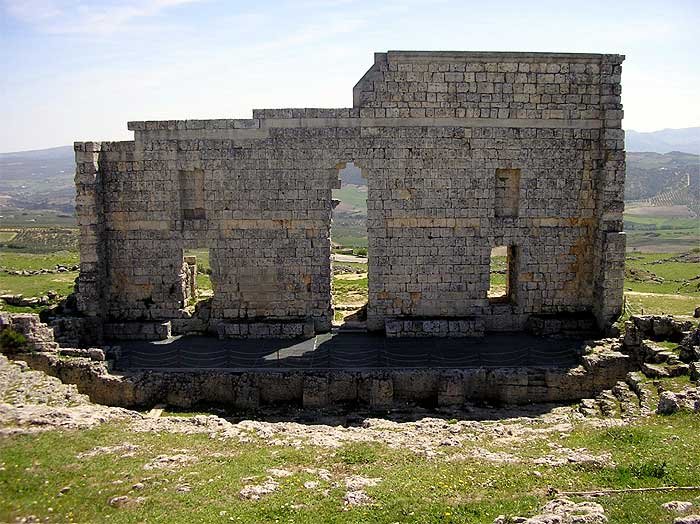
The Roman Empire had been expanding out of the Italian peninsula and finally found it’s way to Iberia as Roman and Carthaginian forces battled for control of the Mediterranean, and sadly the peace known around Ronda was shattered beginning in the 2nd century BC. Rome and Carthage fought two bloody and protracted wars, with Spain suffering terribly as Roman armies vied for control of key supply routes.
Ronda Walk Pilar de Coca

The Ronda-Pilar de Coca loop (PR-A 71) is a wonderful walk for exercise junkies and visitors to Ronda alike, it’s a circular route that takes us about 9km out of Ronda, past vineyards, oak groves, an old aqueduct that supplied Ronda with water, the Pilar de Coca spring, and finally the mountains of the Sierra de las Nieves and the Serranía de Ronda.