As far back as pre-Roman times Ronda has occupied an important role in this part of Southern Spain because of it’s high cliffs, deep gorge, and easily defensible position on a main trade route. Located on one of the main routes inland from southern coastal ports, Ronda and it’s older but now ruined sister city Acinipo, have together been occupied since at least 1,100BC.
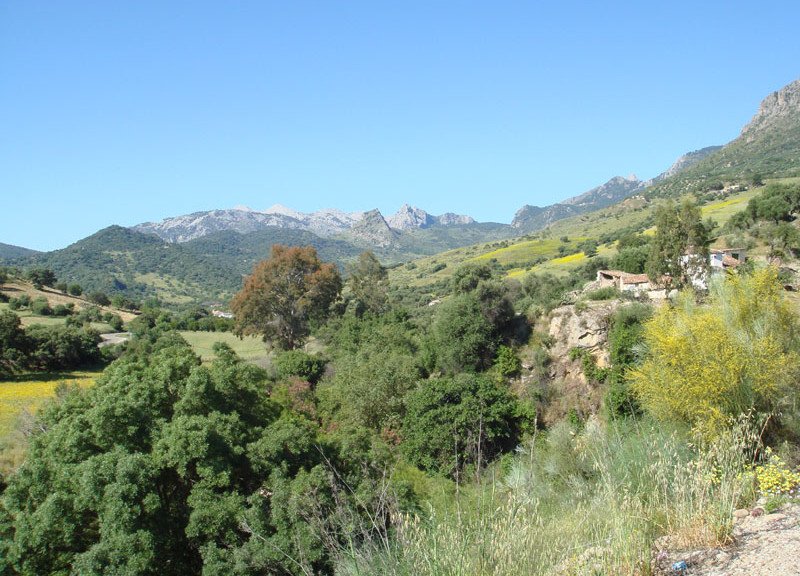
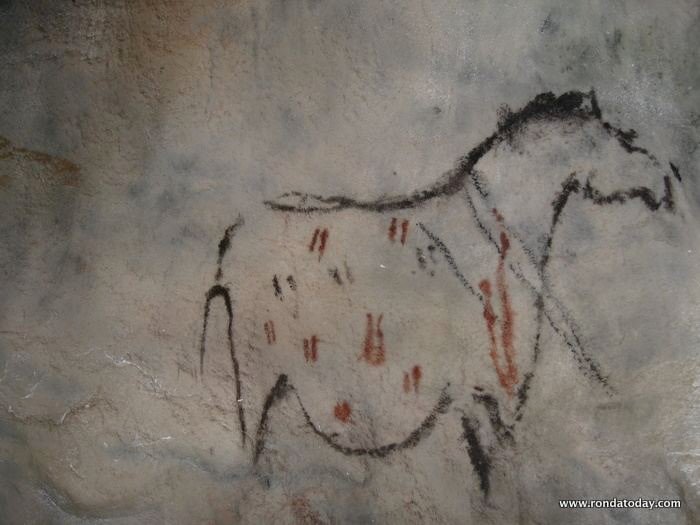
Paleolithic and Neolithic people roamed the hills around Ronda leaving many fascinating reminders of their presence, including cave paintings at Cueva de la Pileta, dolmen burial sites near Montecorto, and in the Grazalema Natural Park, and numerous sites where archeologists have discovered stone age pottery and other relics.
Cueva de la Pileta is open to the public and your guide will show you all the important cave art in an easy walk through the cave that takes about two hours. It’s fascinating to think that the very land we live on in the 21st century was also inhabited in historical times ancient humans and maybe even Neanderthal tribes.