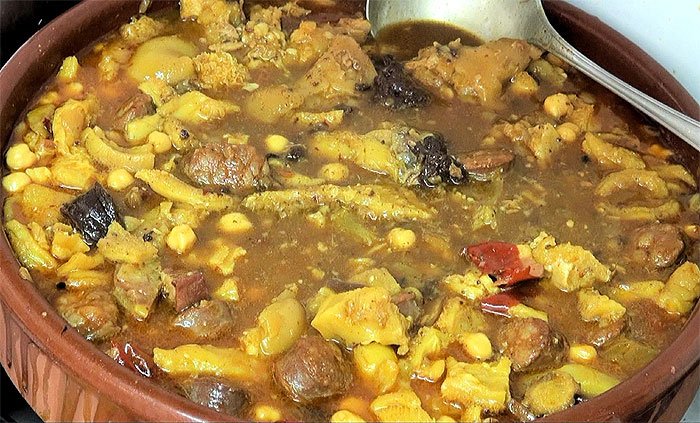
One of our best-kept secrets here in southern Spain is the intense cold of our winters. (Especially in the mountains.) For centuries before the advent of central heating, field labourers had to stock up on nourishing, warming food in order to get through a day’s work in the bitter cold. This leads us onto another of our best-kept secrets. The wonderful range of stews, roasts and hotpots which have evolved here in the Serranía de Ronda. Estofado andaluz (Andalucian Hotpot) is one of them!
The Spanish Fir – Abies pinsapo
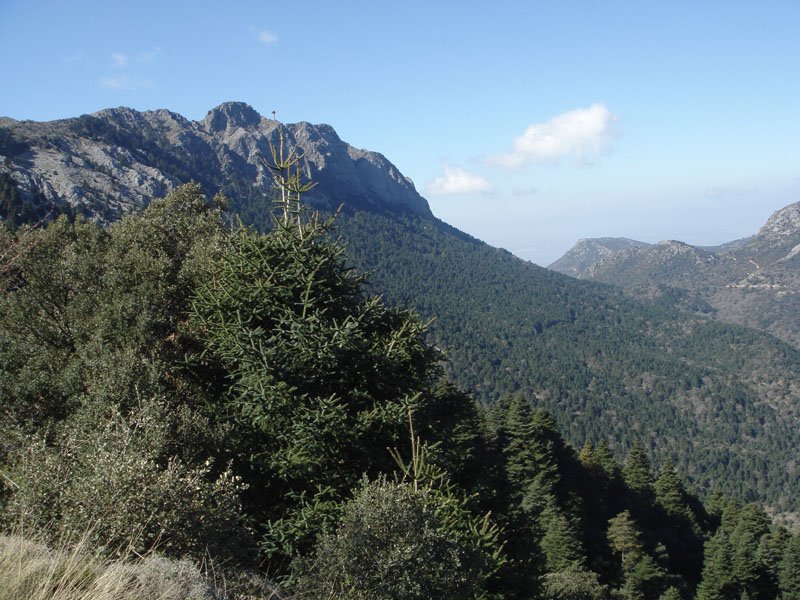
Dotted around the mountains of Grazalema and the Sierra de las Nieves, and also in the city of Ronda itself, the observant visitor will occasionally run across a type of evergreen fir that looks different from others. The Spanish Fir – Abies pinsapo.
This is Abies pinsapo, the national tree of Andalucía, and one of a very few species that survived through the last major ice age into the modern era. That alone gives the tree special significance, and sadly Abies pinsapo is endangered. Reforestation efforts seem to be working, but the tree is often found in zones that have a high risk of fire.
Moros y Cristianos (Beans and Rice)
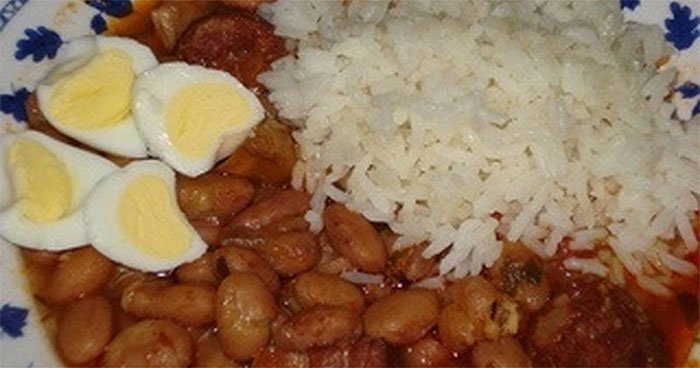
Strangley enough, Moros y Cristianos is a popula traditional dish from Caribbean and Latin American cuisine, particularly popular in Cuba, the Dominican Republic, Puerto Rico. It is a dish made of black beans and rice, which are cooked together and seasoned with various spices and herbs, such as cumin, oregano, garlic, and bay leaves.
It doesn’t appear on the menu in Ronda very often but when it does it is often served as a side dish or as a main course with meat, seafood, or vegetables. Without the meat, of course, it is a perfect vegeterian option
Celia Morales – a truly talented Flamenco guitarist in Ronda
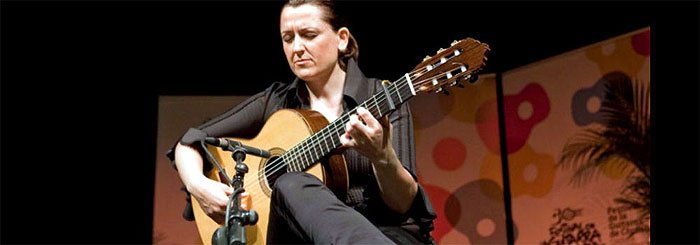
It would appear that Celia Morales no longer holds concerts at her venue in Ronda. Though she does sometimes play concerts at the Reina Victoria Hotel. Be sure to check out the Ronda Guitar House for concerts in Ronda: https://rondatoday.com/the-guitar-house-in-ronda/ No trip to Ronda would be complete without hearing at least a small amount of … Read more
Albóndigas Claras (“Pale” Meatballs)

Pork has been a fundamental part of Andalucian cuisine for over six centuries, and it gained even greater significance during times of religious intolerance. When Jewish and Arabic people were expelled from Spain, Christians aimed to cultivate a cuisine that would be deemed offensive to the “infidels” who chose to stay. Fortunately, we now live in more tolerant times, and we can appreciate our culinary heritage with a clear conscience.
Albóndigas provide a quick and practical way to use up leftover family joint. Today, we can simply request minced pork from our local butcher, but in Andalucia’s recent past, before refrigeration and when religious observation forbade meat consumption on certain days, there had to be an efficient way of cooking up the last of the leg of pork – and albóndigas were the perfect solution!